McVerry Trust Film Treatment


McVerry Trust


Dwayne – Home for Good

Short Film treatment


The screen fades in from black and we see a photo album sitting on a flat background. The front cover of the photo album is decorated in a key motif, an oval in the centre of the cover contains an illustration of a highly stylised key. A pattern radiates outwards from the oval in strips of warm colours to convey a sense of security and familiarity. The front cover of the album opens by itself to reveal a photo on the first page. Each photo in the album sits on its own page and has its own border evoking a physical picture frame.


‘I was in a hostel……..’
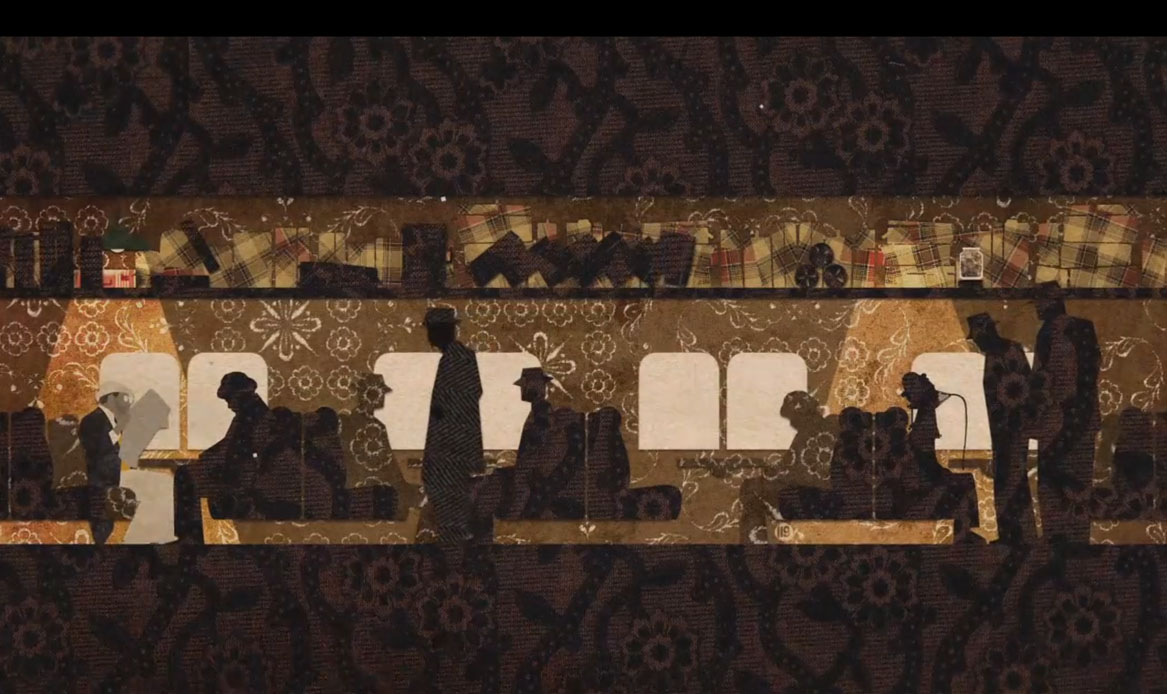
The first photo contains a cut away view inside a hostel, we see two floors of separate rooms in silhouette with a silhouette of a person moving around in each room. The silhouettes are all a single colour. The border of the photo is bright and summery, yellows and oranges, optimistic and hopeful.


‘I can have my family over here now…’
The page turns and we see the next photo which is a panoramic view of a room filled with silhouettes of people standing and mingling over food and beverages. The silhouettes of the people in this photo are different colours, jewel tones or pastel shades. Dwayne stands in the middle of the room taking it all in. The photo border is autumnal in tone; gold, rust red and brown, harvest festival feeling, people gathering to celebrate the positive result of hard work.


‘Cause when you’re in hostels….you can’t have anyone over’
The page turns and the next photo just contains Dwayne by himself in a bare, sparse room. The photo border is cold blues and greys, evoking winter, isolation.


‘I’m able to get me daughter and bring her over…It means everything’
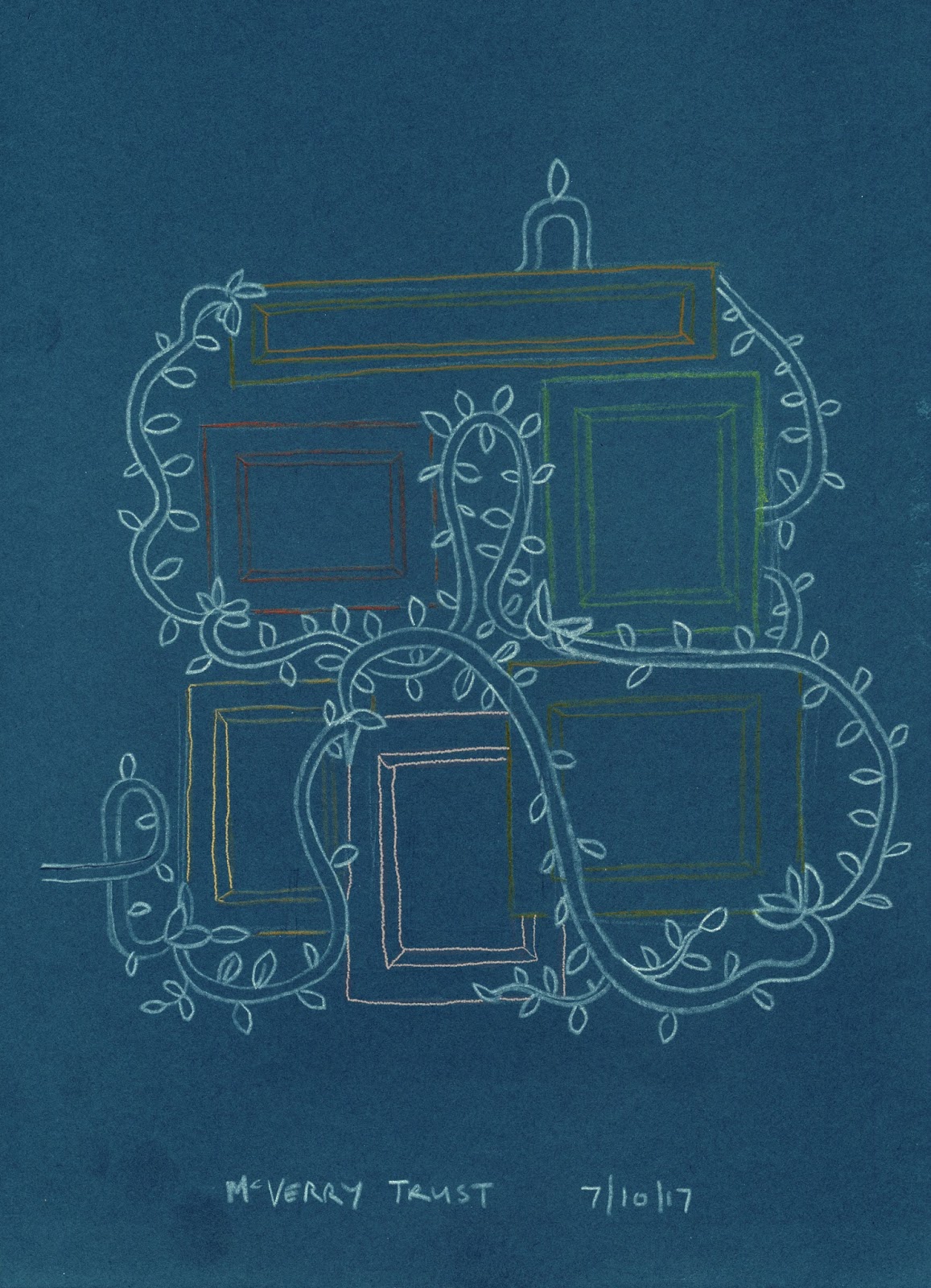
The page turns again and we see a photo of a young girl. The frame is vibrant greens, yellows and pinks. It’s springtime, time for growth. Hands reach down and pick the photo with its frame from the album page. We zoom out and we see it’s Dwayne, he has the photo in his hands and he reaches up and hangs it on a wall containing lots of photos of himself and his family. He places the photo of his daughter in the centre of the arrangement.

Fade out.

McVerry Trust Dwayne – Home for Good

This is the video of Dwayne and we’ve been asked to create a short animation from his dialogue, specifically from the twenty-second mark to the fifty second mark, excluding Christmas.

I wrote out a transcript from the video to get a greater sense of the meaning attendant to the words. Dwayne’s repetition of the phrase ‘having (someone) over (to visit)’ was very strong, which gave me the idea of trying to visually represent a form of overcoming, travelling over an obstacle.

A narrative thread emerged for me beginning in a hostel then moving to his home with his family then returning to a memory of isolation in the hostel then returning home but this time just with his daughter which to Dwayne ‘means everything’.

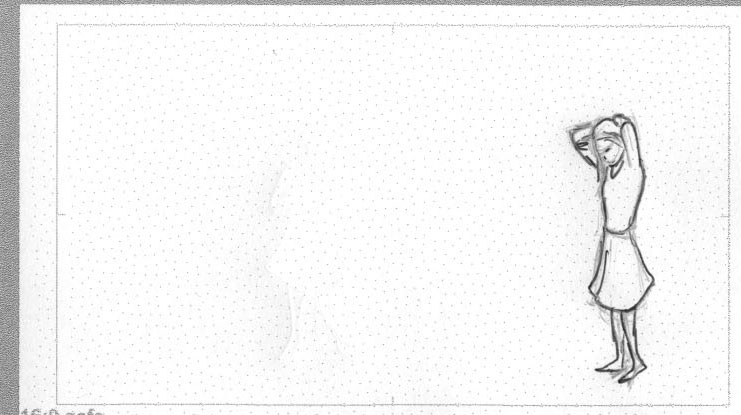
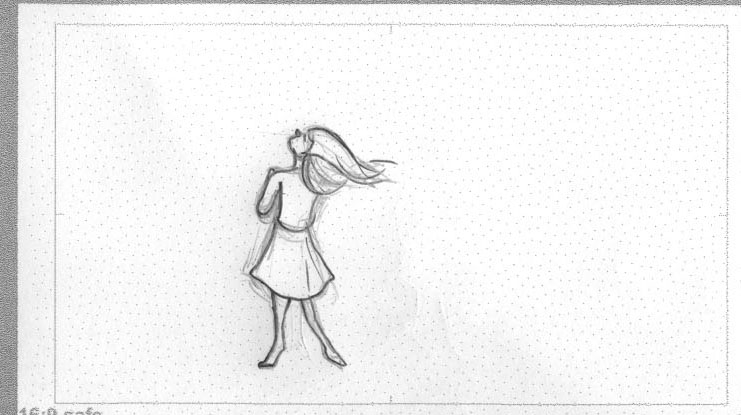
The Melancholic Wife Storyboards – First Sequence

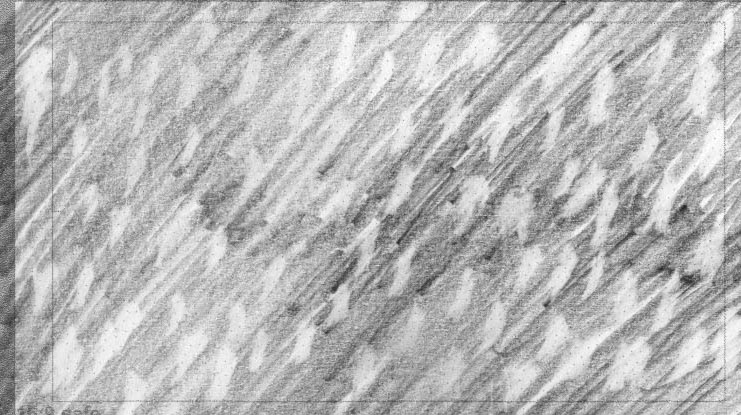
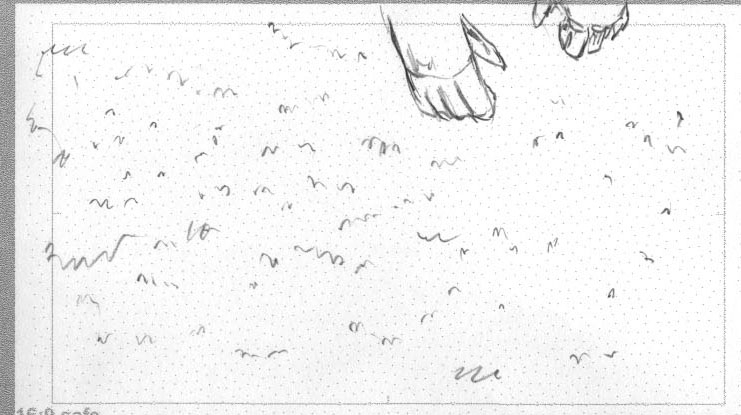
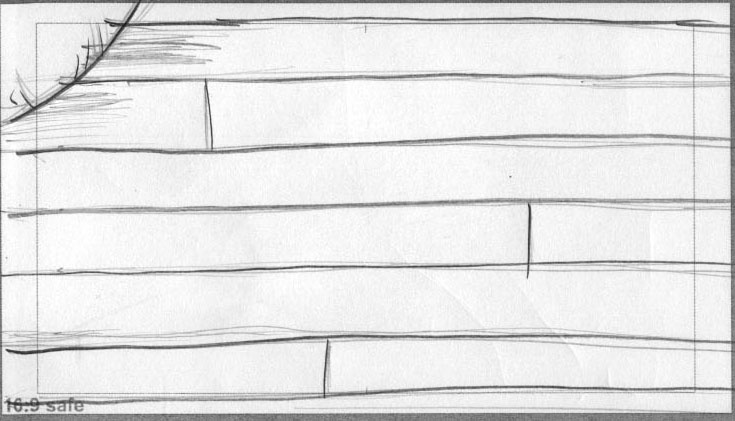
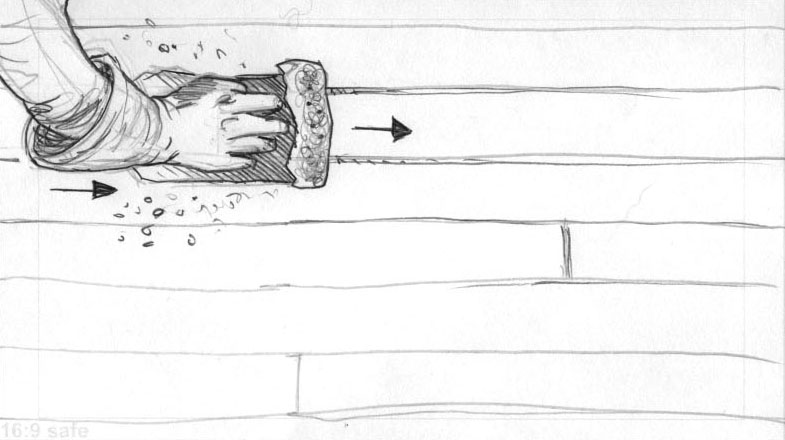
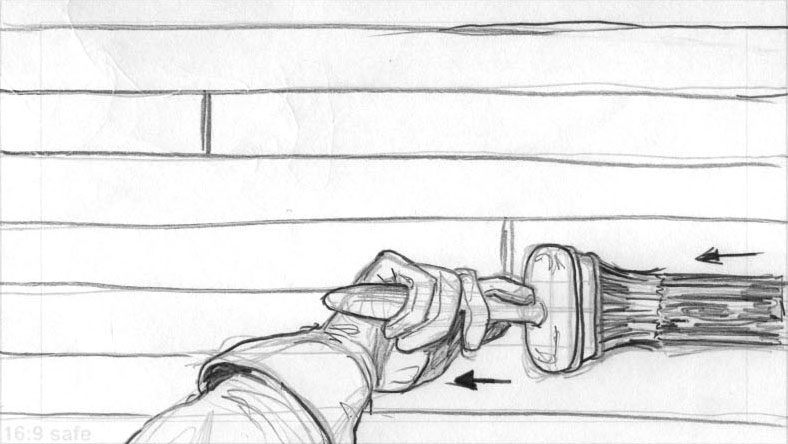
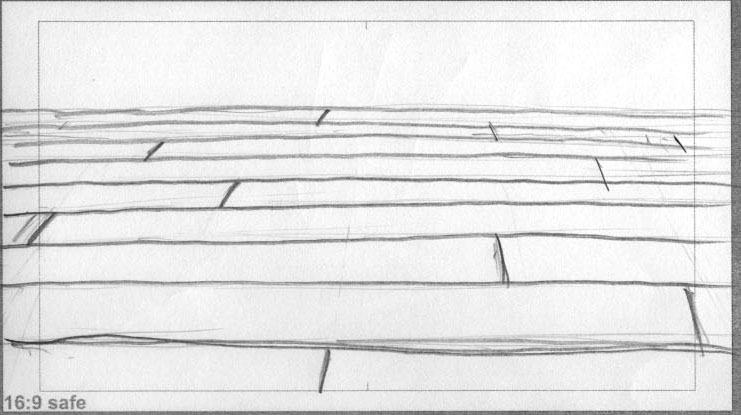
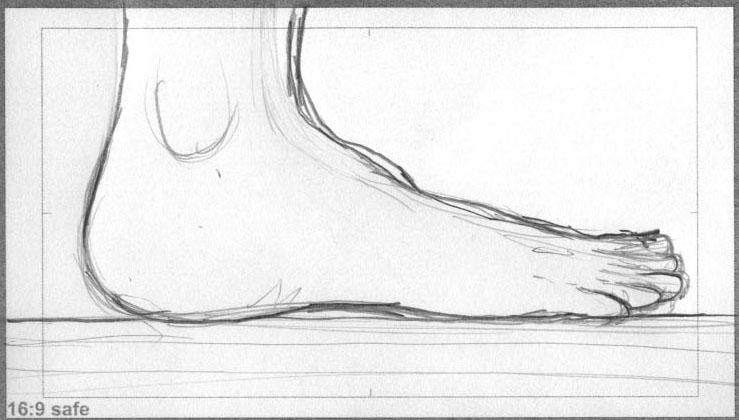
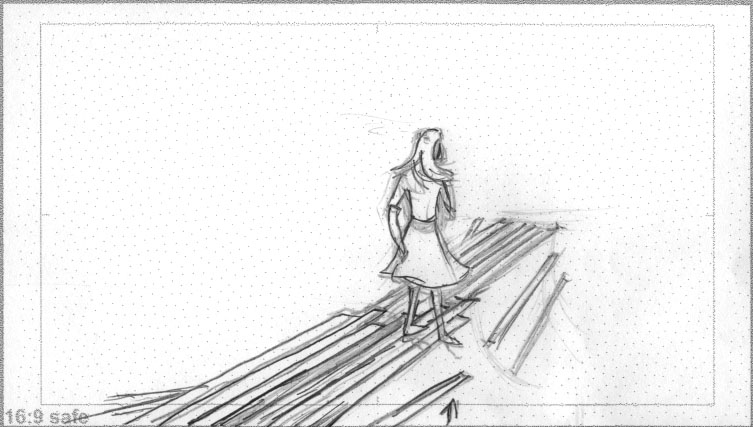
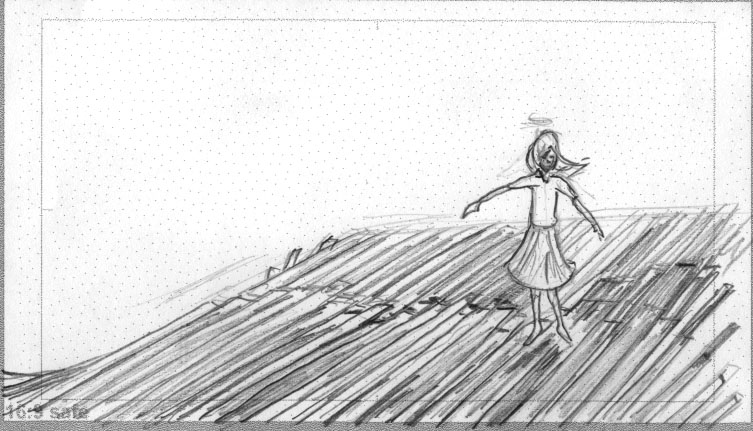
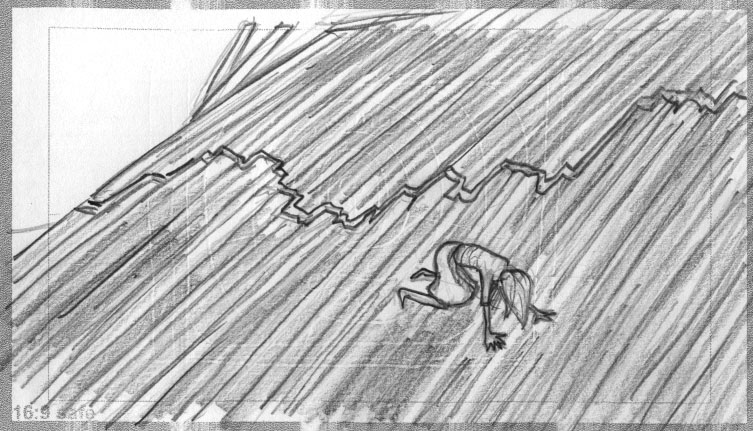
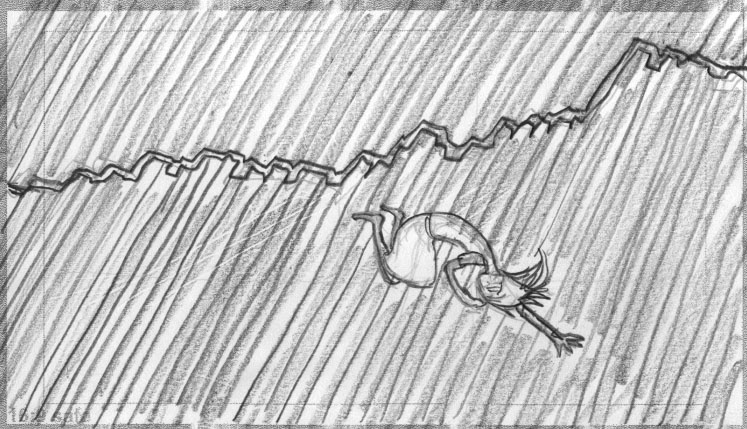
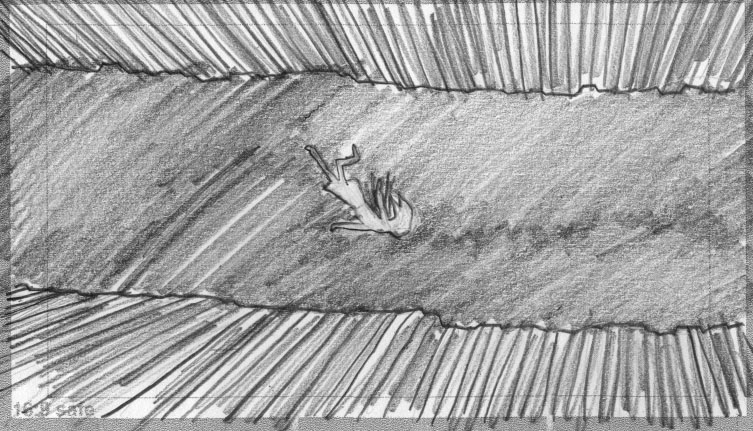
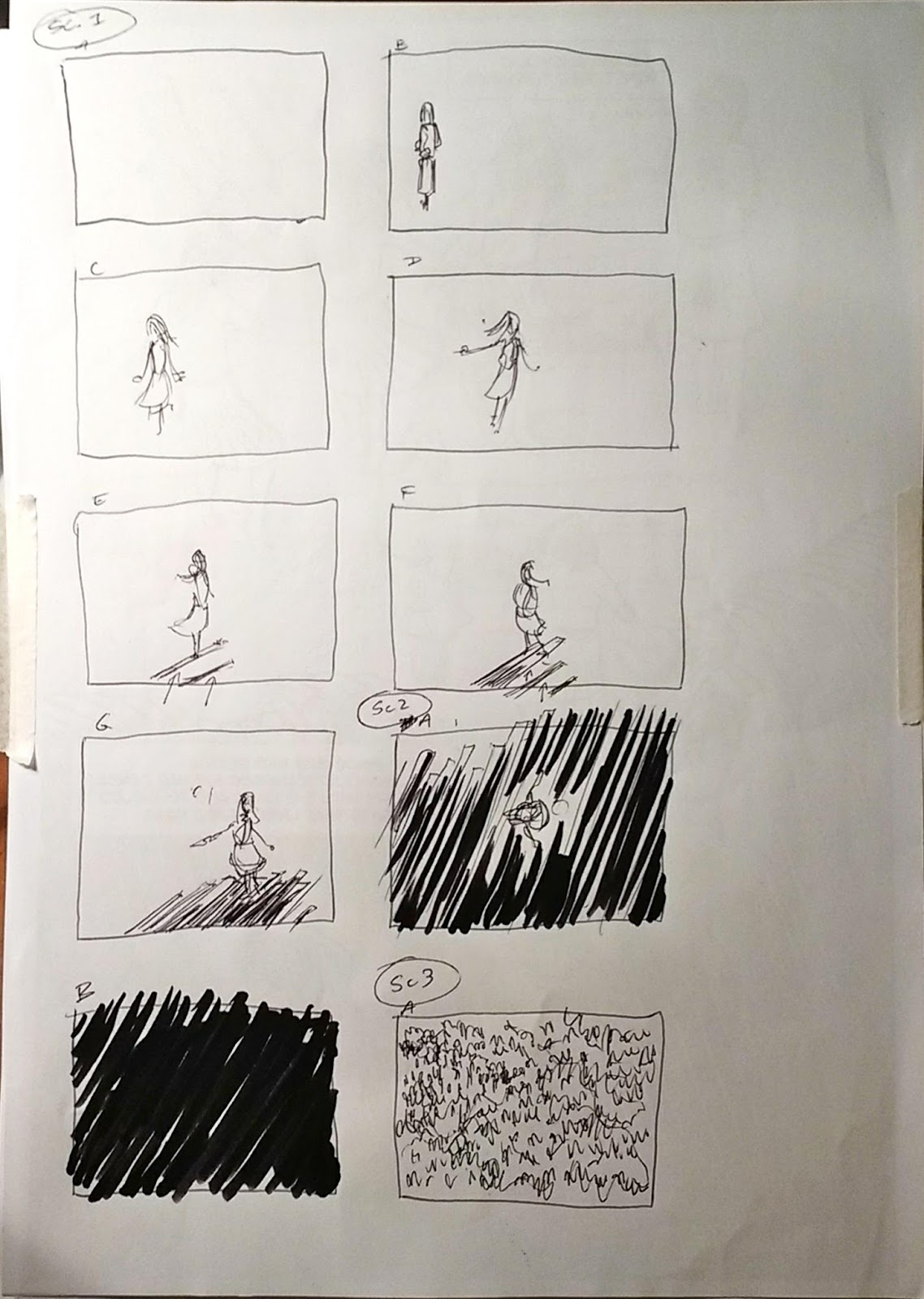
The Melancholic Wife enters onto a white screen and begins to dance. As she turns back on herself floorboards rise from the white space below her becoming a floor beneath which creaks and overwhelms her with their noise and darkness. 
The Melancholic Wife uses dance to cope with her dark and troubled thoughts. But within her is a memory of dancing that feels embarassing and challenges her coping skills and the film will chart the journey through this memory. The rising floorboards of this first sequence represent the difficult memory rising from her subconscious. She is unable to fight off the hard feelings and she falls, descending into the void of shame.

First Animatic

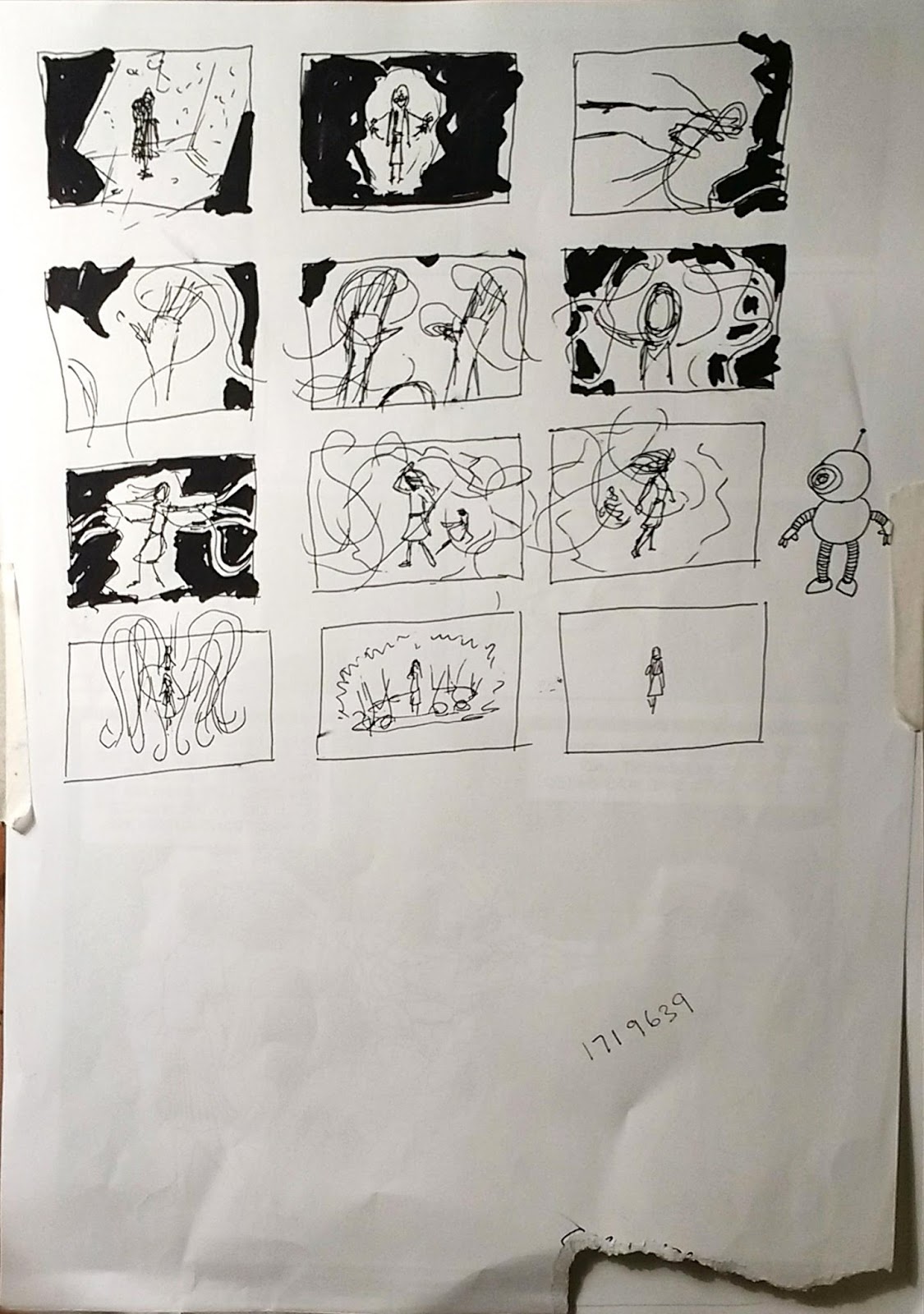
This is my first animatic representing what the story could look like adapted for film. The first challenge that arises isthe timing for each scene within the film, how to tell the story in an effective but also efficient manner in order to make it realistically achievable in the timeframe I have to make it. I am happy with some of the transitions, the black to carpet to wooden floorboard from the first sequence to the next feels right, but the transition from the Wife being swallowed by the dark claws to the final sequence needs more work. I think that I was attempting to retain too much of the original comic’s aesthetic in this transition and neglecting the requirements and benefits of film.

Visual Research

As the bulk of the action in my film occurs in an imagined dreamscape that represents the protagonists inner world I am interested in exploring experimental and unusual transitions. I would like to utilise the backgrounds to create a sense of organic flow from one scene to the next in the hope of evoking an amorphous space. A space that is responding to the narrative. 

As part of my research I have been looking at the Catch Me If You Can opening credits and its use of strong graphic shapes that can represent a door one moment then a chair leg the next through the creative use of scale. The characters move in, through and across these shapes. The shapes themselves become wipes, like the airplane flyover transitioning to a freeway.
Another aspect of the work that requires research is the balance between abstract and figurative, the level of accessibility in the film as it must represent the protagonists individual world while remaining relatable to the viewer. One of the films I’ve watched in relation to this aspect is A is for Autism by Tim Webb. This film does a powerful job of visually representing the participants world while also maintaining a narrative thread for the viewer to follow. As a person on the autistic spectrum myself it also serves me personally as a confidence boost to trust my own visual language and how I see the world as represented through my film.
Another film I’ve used for research is A Different Perspective by Chris O’Hara for its inventive use of scale and movement of the characters through the foreground, middle ground and back ground planes. It plays with the conceit that though the layout may conventionally represent a three dimensional world, it is still also a flat drawing and the characters can interact with it on both levels. I’d like to try investigate using these techniques for my film especially in the wooden floor sequence with the transition from the foot stomp echoing down to the Melancholic Wife.

McVerry Trust Presentation

We were given a presentation on the Peter McVerry Trust’s work by Aisling Hussey, Digital Communications Officer for the Trust. In the presentation Aisling stressed the organisations aims of;

  • Creating greater awareness of the issue of homelessness in Ireland.
  • Facilitating full inclusion in society for those affected by homelessness.
  • Housing First Policy – getting a person into a home and using that solid base to engage with any coping issues that may be present.
In terms of communication goals, Aisling would like us to adhere to the following values;
  • Positivity.
  • Respect for the person.
  • Conscious use of imagery.
  • Conscious engagement with stereotypes – challenging peoples perceptions.
In discussion with Aisling I asked her what she felt signified that a person had really inhabited their home and she responded that photos were an indicator of someone feeling at home. This gave me the initial idea of a person hanging photos on a wall indicating the progression of their journey to their new home. I thought about integrating this with my previous idea of a house-key acting as a seed from which the house would grow.