The Melancholic Wife Storyboards – First Sequence

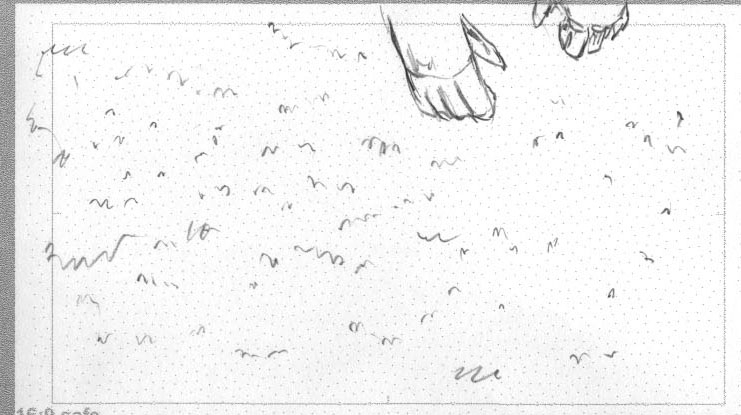
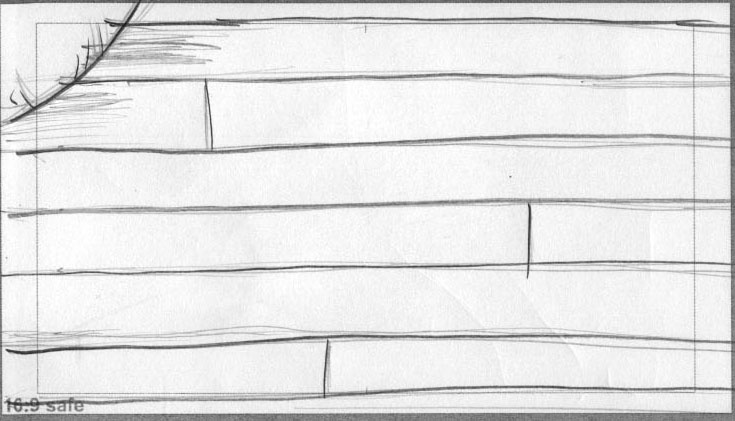
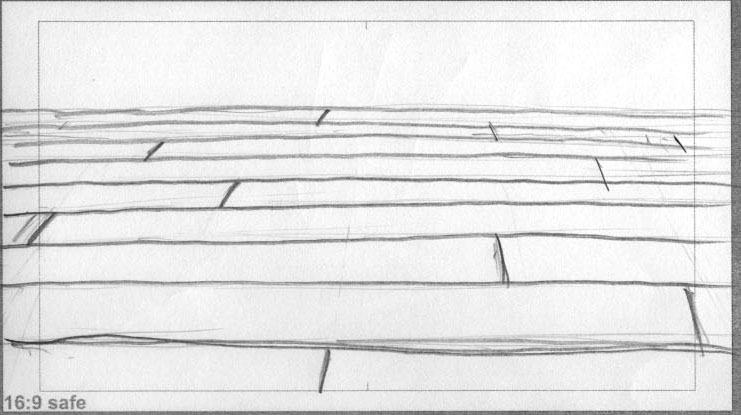
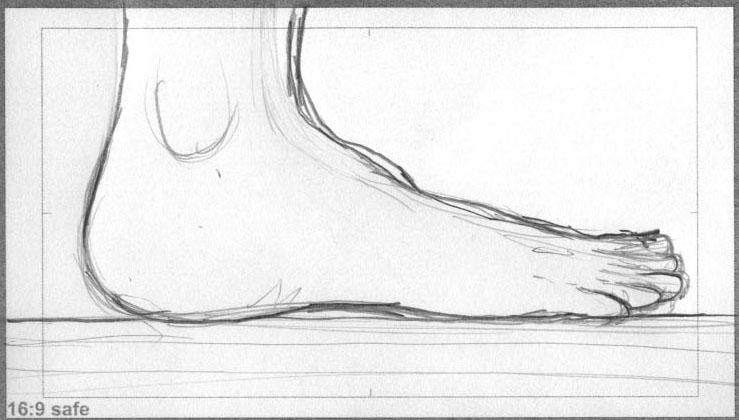
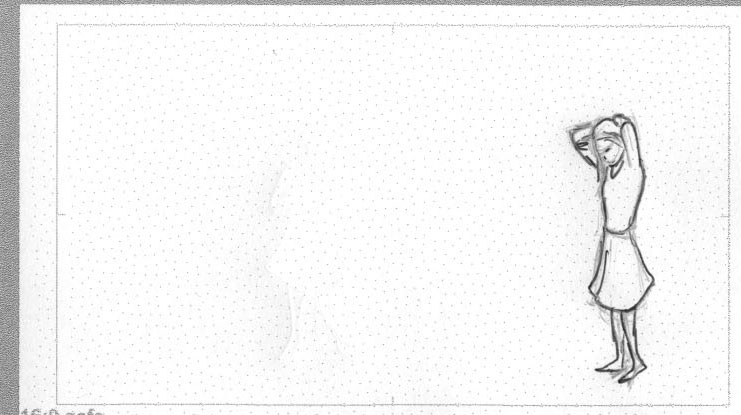
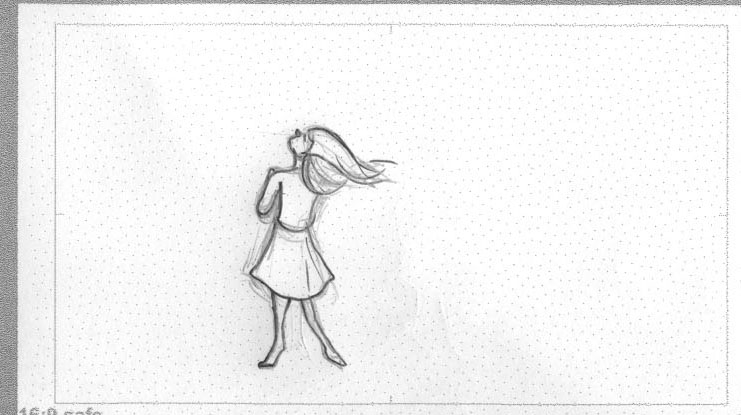
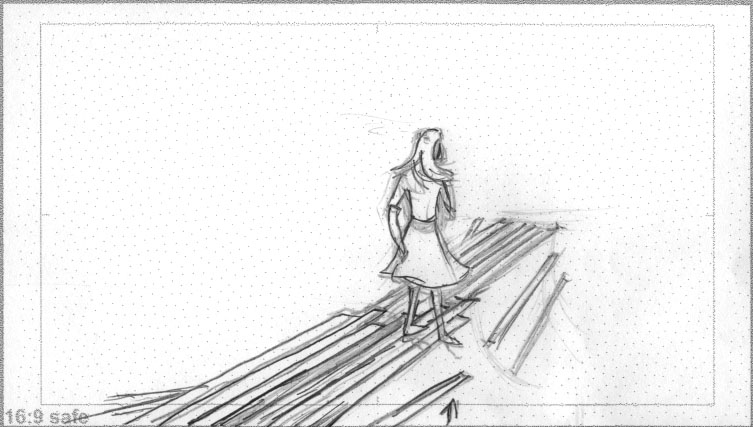
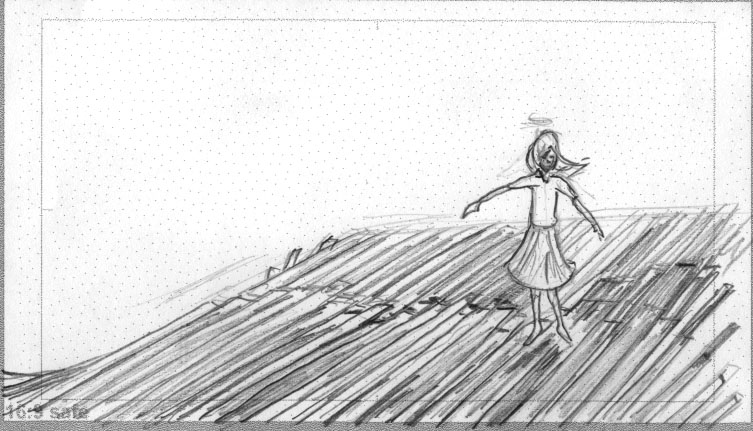
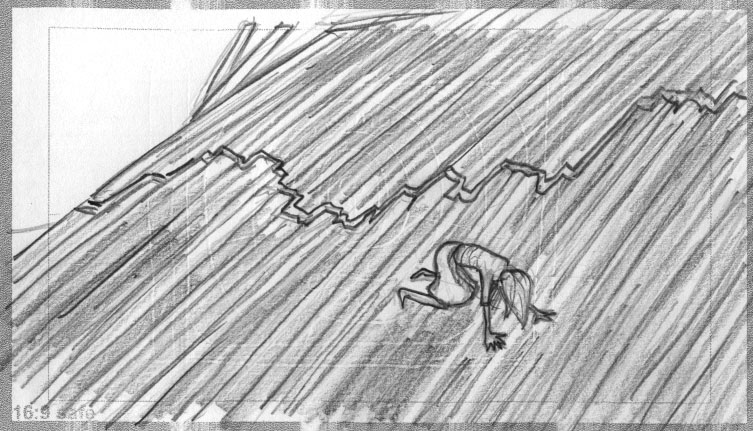
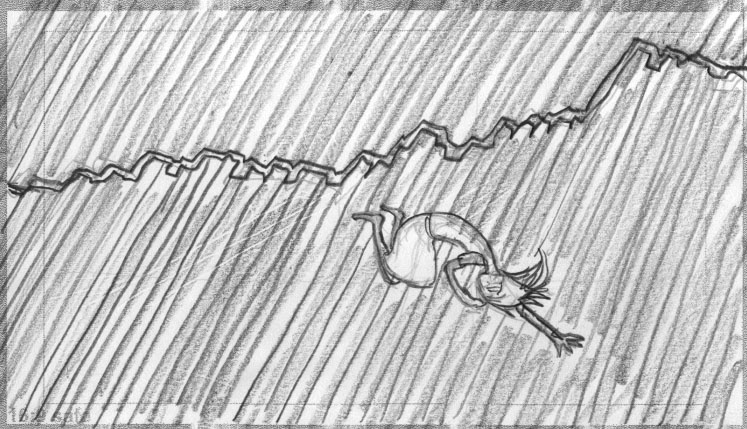
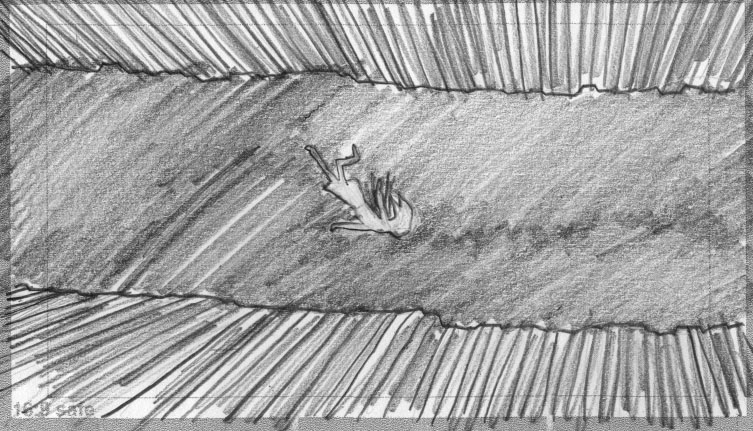
The Melancholic Wife enters onto a white screen and begins to dance. As she turns back on herself floorboards rise from the white space below her becoming a floor beneath which creaks and overwhelms her with their noise and darkness. 
The Melancholic Wife uses dance to cope with her dark and troubled thoughts. But within her is a memory of dancing that feels embarassing and challenges her coping skills and the film will chart the journey through this memory. The rising floorboards of this first sequence represent the difficult memory rising from her subconscious. She is unable to fight off the hard feelings and she falls, descending into the void of shame.

First Animatic

This is my first animatic representing what the story could look like adapted for film. The first challenge that arises isthe timing for each scene within the film, how to tell the story in an effective but also efficient manner in order to make it realistically achievable in the timeframe I have to make it. I am happy with some of the transitions, the black to carpet to wooden floorboard from the first sequence to the next feels right, but the transition from the Wife being swallowed by the dark claws to the final sequence needs more work. I think that I was attempting to retain too much of the original comic’s aesthetic in this transition and neglecting the requirements and benefits of film.

Story Development – Prose Treatment

Engaging with the story from a prose perspective helped me greatly in visualising what was required to create a coherent film narrative. I began to really think about the transitions, for instance the carpet at the start of the second sequence literally growing from the darkness at the end of the first sequence, as if it were soil. Also the biggest change from the comic story comes when the Melancholic Wife grasps one of the ghosts from the white room and brings it with her to the final sequence. When composing this piece it became apparent that I needed to show a symbol of the characters learning that enables her to access her self-expression where she wasn’t able to before. I feel like her grasping the ghost to her chest and dancing with it indicates an acceptance of her younger self. It can hopefully be an expression of innocent joy that supports her to counter the embarrassment feelings.

Prose Treatment

The Melancholic Wife loved to dance. With positive intention she tentatively makes her first movements, she begins to move her feet in time with an internal beat. The movement travels up her body, relaxing her hips and loosening her arms. As the Melancholic Wife becomes more confident in her rhythm she becomes aware of the world outside of her body. Dim wooden floorboards of memory rise to meet her feet, she dances on. Ever since she had been a melancholic teenager she had danced to cope with the dark and troubled thoughts that lived in her mind. She dances on but the memories overtake her, swallowing her whole in the dim recess where they live.


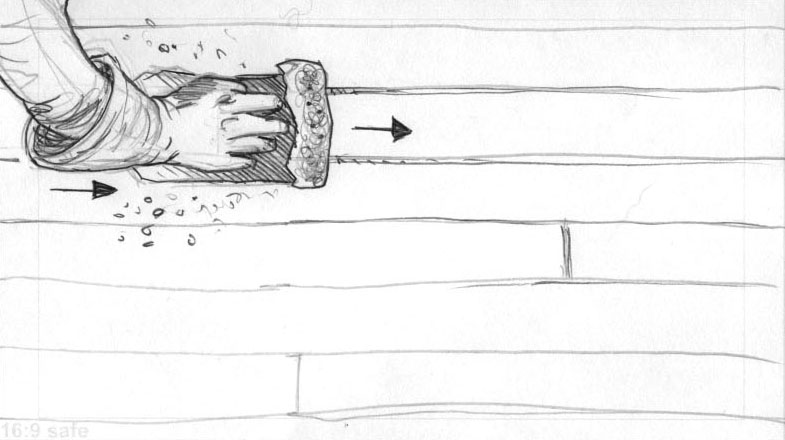
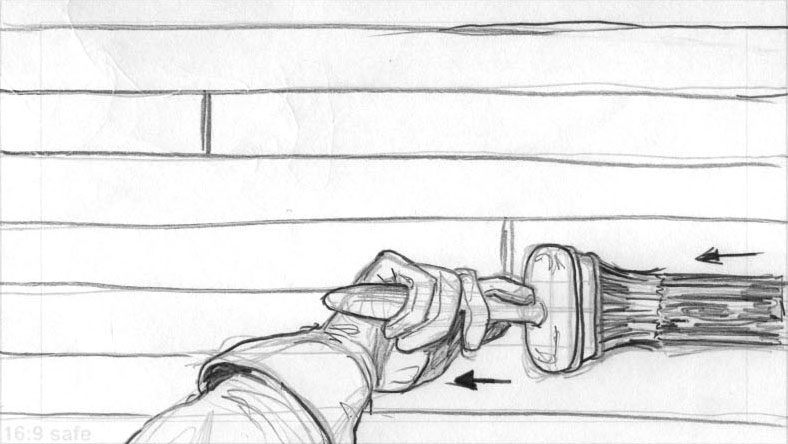
A carpet grows in the shadow of her memory but as soon as it is fully formed two gloved hands appear and reach down to pull it up from a corner. When the Melancholic Wife was young, her parents had taken up the carpets in the bedrooms of their house. Bare wooden floorboards were revealed underneath. They sanded and varnished them. Now when she danced her feet didn’t fall on soft, absorbent carpet, they landed with a thud on varnished wood. This looked much better, but it meant that the sound from the bedrooms above travelled easier to the rooms below.


The remembered, perceived waves of the sound of her dancing feet rush down the paths of her memory, descending on the Melancholic Wife. Often when visiting her parents now, she would cringe when she heard her mother move around overhead. They must have had to listen to her shuffling, moving and jumping while accompanied by the popular music of the day. As the first remnants of recalled sound reach the Melancholic wife, they surround her, overwhelm her, encompass her in their echo of shame. Embarrassment of the past can be a cruel trick of the human psyche. She begins to run, fleeing through the halls of her memory, tearing at her clothes in her distress. But the waves of recollection pursue her, did she really think it would be so simple, that she could just outrun them. And now the halls she races through, they’re coming to an end, trapped, she will be trapped in the percussions of memory. The Melancholic Wife slams against the wall, as if trying to break through, but the wall remains unmoved. She turns to face the oncoming wave, her back to the wall, her hands pressing against it, as if trying to melt through, then her fingers travel its surface like scuttling spiders, searching for cracks. The wave rushes closer and she can feel herself becoming lost within the loop of memories of memory. Her hand brushes against metal, dragging her back to herself. She grasps the object, her mind slowly recognising it, a door handle. It turns, a doorway opens, she falls through, the door slamming shut behind her before the wave hits.


An empty room, the Melancholic Wife finds herself in an empty, white, quiet room. She looks up and the walls seems to reach skyward forever. She tries to discern the ceiling but the harder she peers the softer the edges of the room become in the diffuse light, until it almost seems like shapes are forming up high. The Melancholic Wife stares, fascinated at these apparent figures, lost in their intricacy as they float gently down towards her. Their forms begin to materialise, they are her, the Melancholic Wife, spectres of her, dancing on air, unafraid of sound. She opens her arms to them, to herself. She tries to be kind to herself when she thinks of the teenager she had been. But some tasks are so large that the effort required to complete them is too overwhelming to comprehend, never mind to endeavour upon. The Melancholic Wifes arms are open, her face is pointed skyward, and there are so many ghosts of memory to embrace, that she doesn’t notice the sharp hands, pulling her under into the darkness of her shadow.


The Melancholic Wife struggles against the grip of the darkness. She reaches out and grabs at one of the dancing spectres like a lifeline, expecting her hand to pass through it but she grasps it, and clasps it to her chest as they are both pulled violently down into darkness.

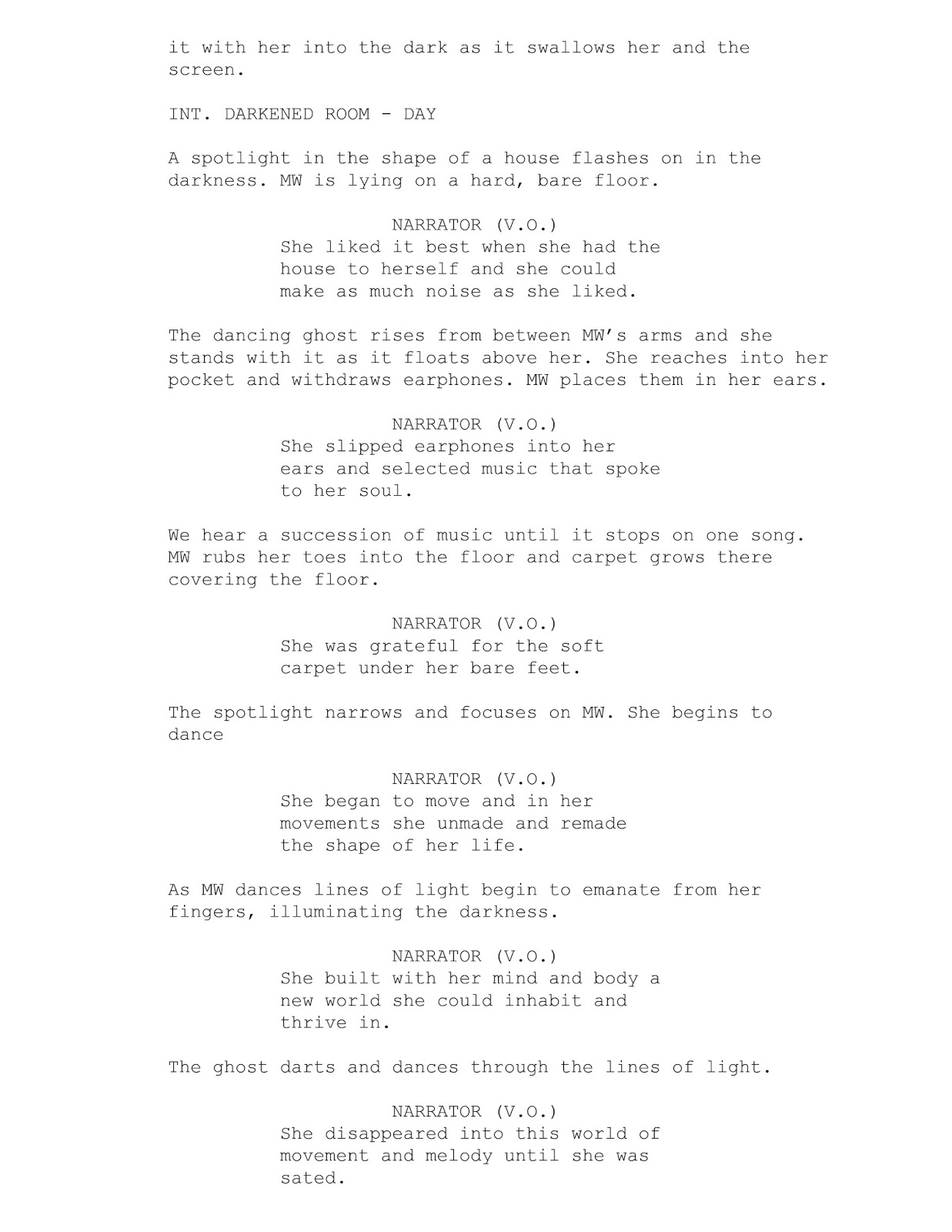
The Melancholic Wife wakes as a spotlight flashes on in the darkness, illuminating the hard ground she is lying on. She traces the outline of the light with her eyes, it’s in the shape of a house. The thought strikes her that she liked it best when she had the house to herself, she could make as much noise as she liked. She feels a flutter in her chest and the dancing ghost she brought with her emerges from between her arms, rising to float above her. The Melancholic Wife stands, there is something in her pocket. Reaching in she finds earphones which she pulls out. She slips the earphones into her ears and selects music that speaks to her soul. She presses her feet into the ground and as it grows between her toes, she is grateful for the soft carpet under her bare feet. In an instant, the light changes, the Melancholic Wife feels its focus is now solely on her. She begins to move and in her movements she unmakes and remakes the shape of her life. She builds with her mind and body a new world she could inhabit and thrive in. The light travels into her and flows freely from her. The ghost of her past self darts and dances through the light, reveling in the creation. Together they disappear into this new world of movement and melody until she is sated. The Melancholic Wife can then re-emerge back into the unromantic walls of her real life, striving to hold on to the nuances of her transmutations.

Story Development – Treatment

The Melancholic Wife Loves to Dance Short film treatment


A woman walks on to a white screen and tentatively begins to dance. Floorboards rise from below to meet her steps, making the screen darker until they swallow the woman in total black.


A carpet grows from the black and hands reach down to pull it up, revealing bare floorboards underneath. These are sanded and then varnished. A foot lands on the floor creating reverberations of sound. The sounds travel down and reach the woman who is standing below the floor. As they reach her the woman becomes distressed, she begins to hurry away in agitation, struggling to wrestle out of her coat. It drops to the floor as she hurries away trying to escape the sound. She comes to a door, opens it and steps through into a white room.


As the woman closes the door behind her, ghosts of herself appear and she moves to embrace them. As she does this sinister hands reach out from her shadow and pull her aggressively away into blackness. She manages to bring a ghost with her into the black.

A spotlight comes on in the dark, the light it shines on the floor is in the shape of a house. The woman is lying curled up on the floor. The ghost rises from her arms and she stands, she reaches into her pockets, takes a pair of earphones out and places them in her ears. Different music plays quickly until she selects one song. She grounds her feet, feeling carpet between her toes. The spotlight narrows and centres on the woman, entering into her body making her the only light source. The woman begins to move and first with her fingers then with her whole body she draws a landscape in light that surrounds her in the darkness, strengthening her. The ghost dances through the lines of light disappearing into it. When she brings her movements to a close she strides confidently towards the camera and as she fills the screen we see a representation of her creation on her clothes.

The task to try and tell the comic narrative in short prose form with respect to film is challenging and interesting. In adapting for a different media, different elements of the story naturally come in to focus. For instance the use of black and white on a comic page has to bear in mind not only the composition of a single panel but also the look of the page as a whole as a reader encounters both. The composition for film feels much more related to time. For film I’m discovering the need to respect timing and motion at this initial story stage. A reader is in control of the timing of their reading, while a film viewer is at the mercy of the filmmaker. I think some of the ambiguity of the comic needs to be cleared to create a strong film narrative. Actions and movements that can be suggested in the imagery of the comic have to be definitively nailed down.


Character Development

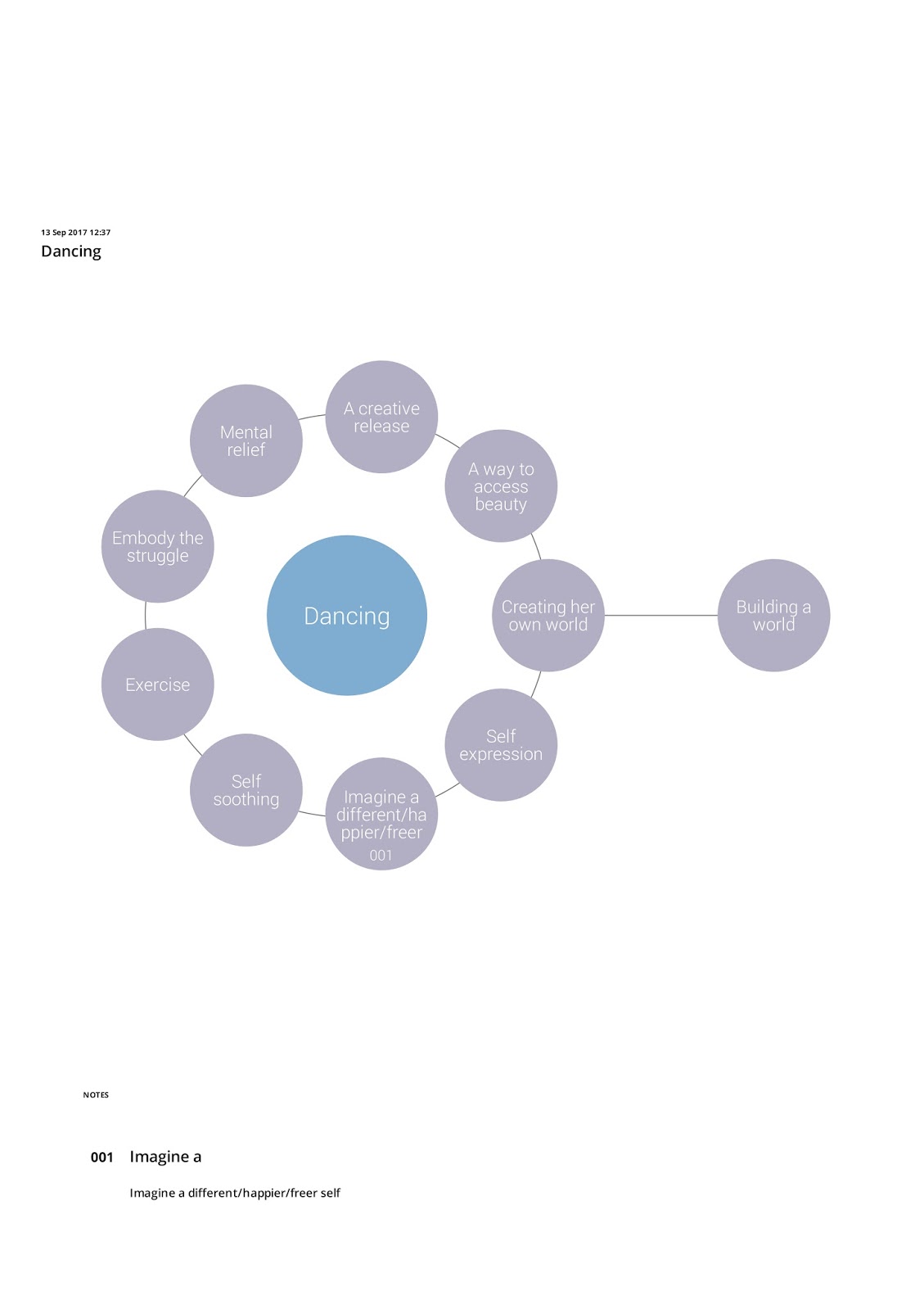
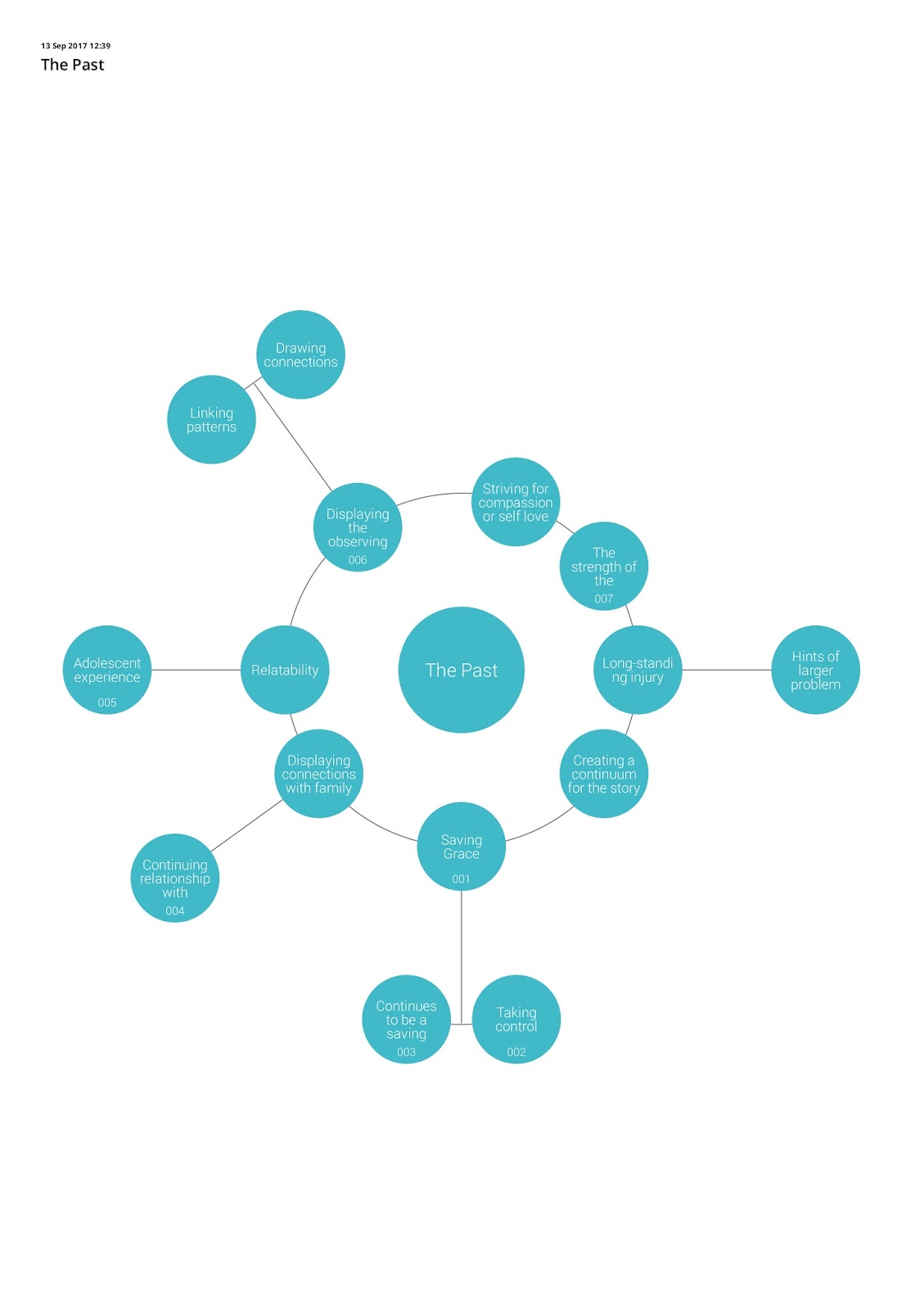
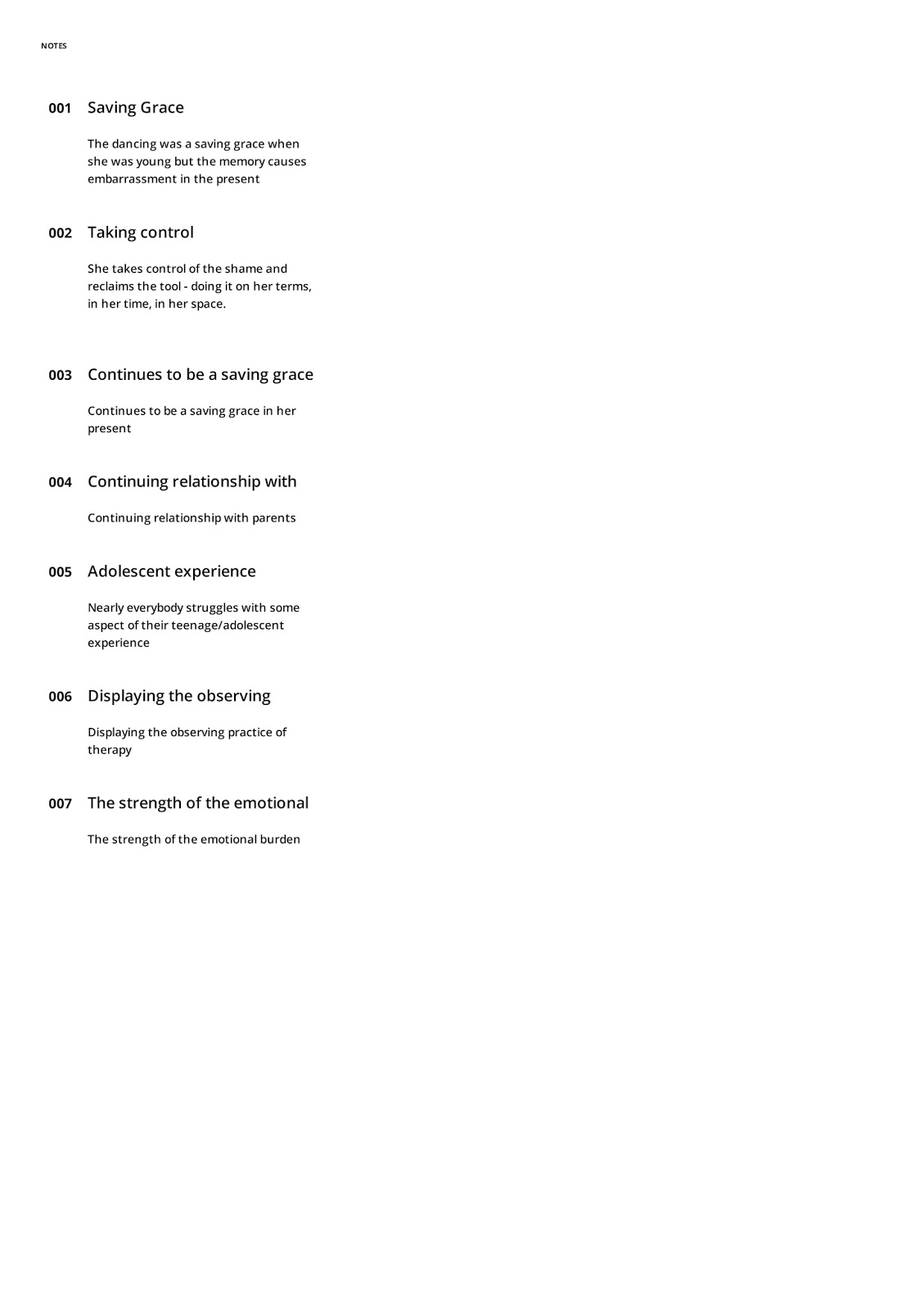
In order to help develop and understand the motivations of the Melancholic Wife, Sadhbh Lawlor the writer of the original comic script, created mind maps broken down into the three main contributing themes that helped create the original story. These are; Dancing; the Past; and Transmutation.

Story Development – Controlling Idea

As part of the process of developing our story ideas for film we have been introduced to exercises and concepts from the book Story by Robert McKee. One of these concepts is something called the Controlling Idea, which on first hearing made me balk somewhat at the idea of being ‘controlling’ but it has helped me understand the importance of having a strong singular intention at the heart of the film to help inform, support and inspire other threads that arise.


A CONTROLLING IDEA may be expressed in a single
sentence describing how and why life undergoes change from one
condition of existence at the beginning to another at the end.
Story by Robert McKee, pg. 115


It consists of value and cause, identifying the positive or negative outcome or value at the climax of the film and the reason that value changed to that state. So for my film I went through a few iterations before coming to the final idea. These included;


Creative self-expression is achieved because the protagonist accepts her past.


Self-determination is restored because the protagonist uses self-expression to define her own reality.


Vulnerability is accepted because the protagonist creates beauty from the darkness.


While I felt that these expressed something within the story, I didn’t feel like they were communicating the nuance of the original piece, the seeking for balance, not an outright victory in the situation because that is impossible in the wider context. So the final one reads as;


The protagonist brings herself to a state of temporary existential
equilibrium through employing the tools of creative self-expression.

This sentence describes for me the struggle that happens throughout the story and helps me to keep in mind that in the end it’s not about some form of a victory, it’s about the process of self-expression as an ongoing resource.