We have decided to make a real book and shoot a stop motion animation of it to act as the stage for our pages. Further down the line this will require compositing with the digital pages. But first to make the book. Fortunately I have just recently completed a book binding course and while most of the binding techniques won’t be applicable, it has given me a grounding in the principles.
I decided to make the book A4 size as this would be the most manageable to deal with physically. Testing the page dimensions against a 16:9 ratio beforehand also let me know that it could work within a film context.
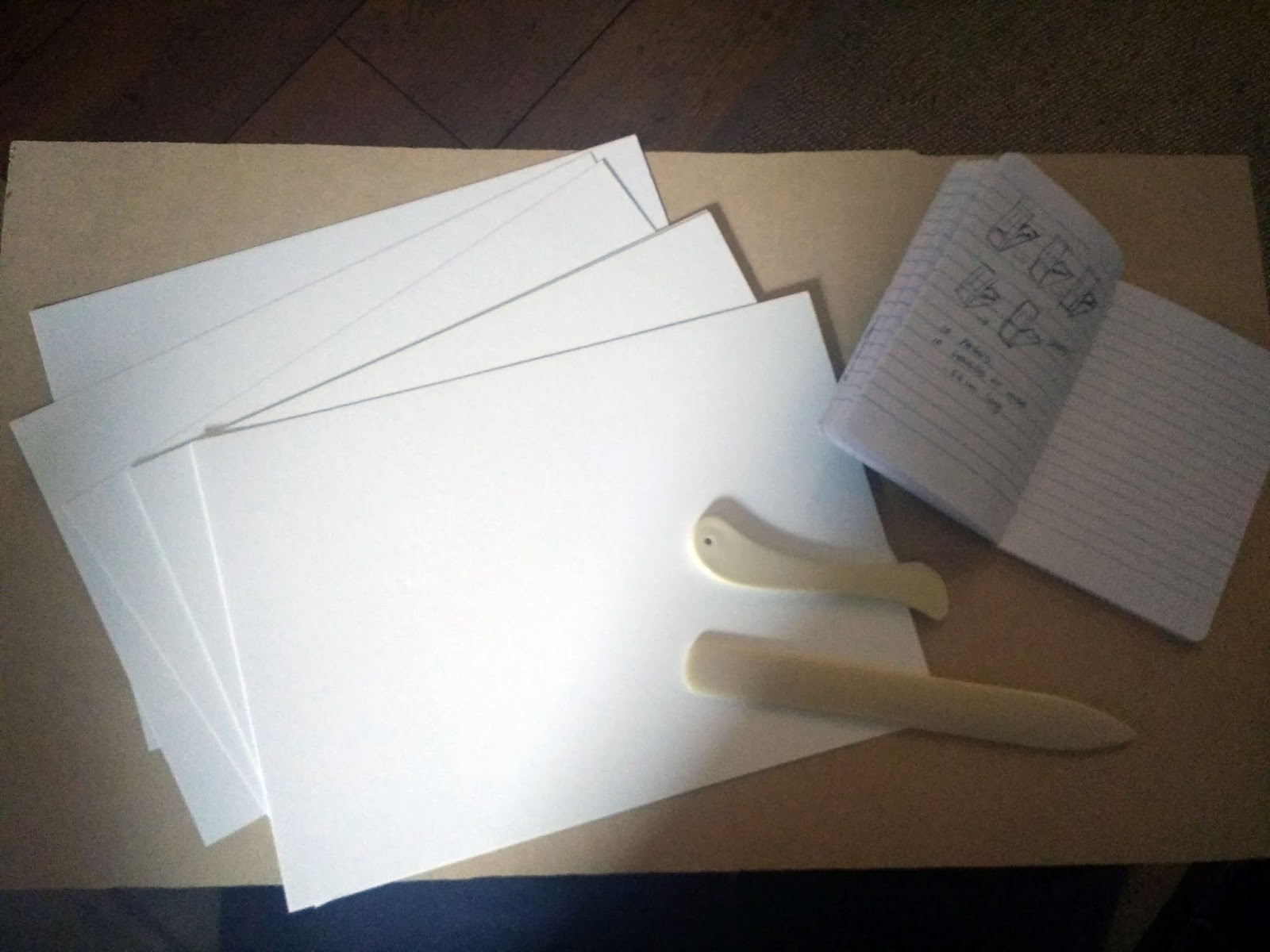
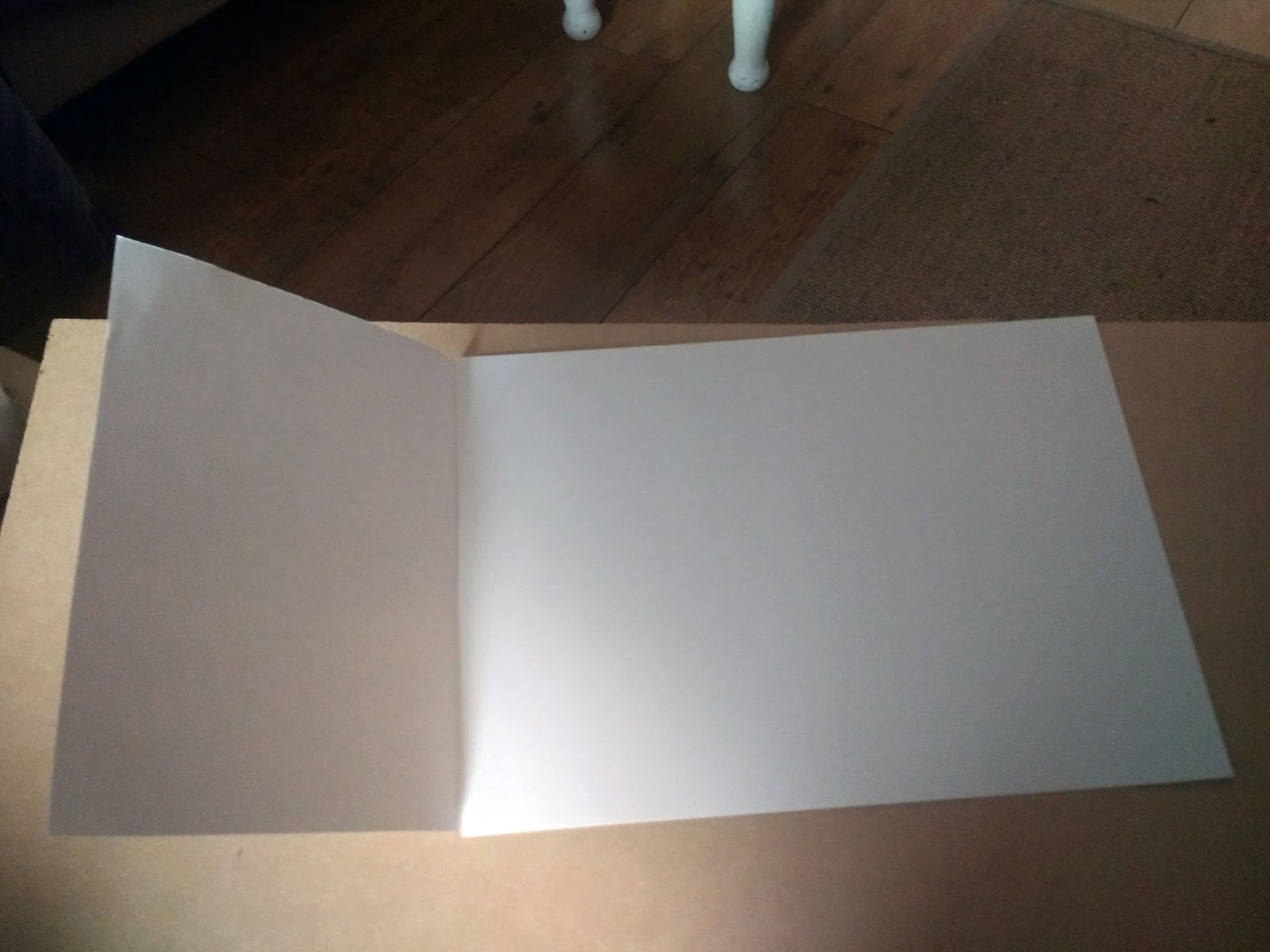
What I decided to do was to use quite a heavy grade card and sandwich wire loops between two sheets. I then glued these two sheets together to create essentially one page. I made the wire lengths long enough to be sandwiched between two of these ‘sheets’. This meant that when we went to turn the pages that half the wire would be embedded in the book which would enable the other half to have a solid foundation. This foundation would enable us to manipulate the wire.
Book pages and notes.
Creating the book.
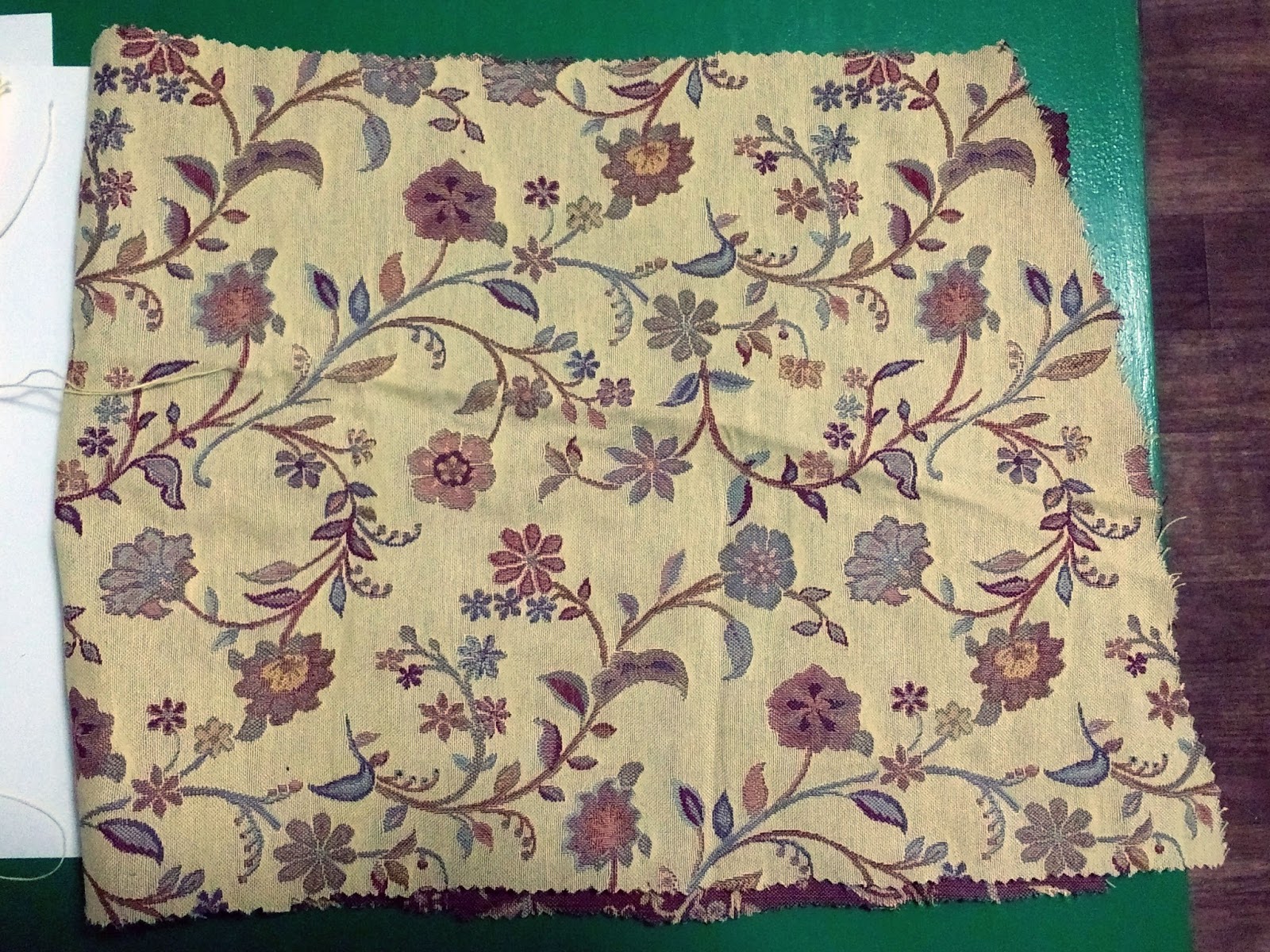
For the cover we decided to experiment with textiles. This could bring some interesting texture and add to the individuality of the piece. It came down to two;
Book cover textiles.
We decided to go with the floral pattern. we felt it tied in well with the overall theme of the book and contributed a more homely feel. It was the harder of the two to manipulate,being thick fabric, so a lot of compression was required after gluing it to very heavy card stock to ensure it stuck as firmly as possible.
The next step was to finalise the emblem for the front of the book. In the storyboard a key as used as a central symbol on the cover, communicating access and an unlocking of a doorway into another’s experience. The power of the key as a totem of freedom and development feels strong with people afflicted by homelessness.
Key design ideas.
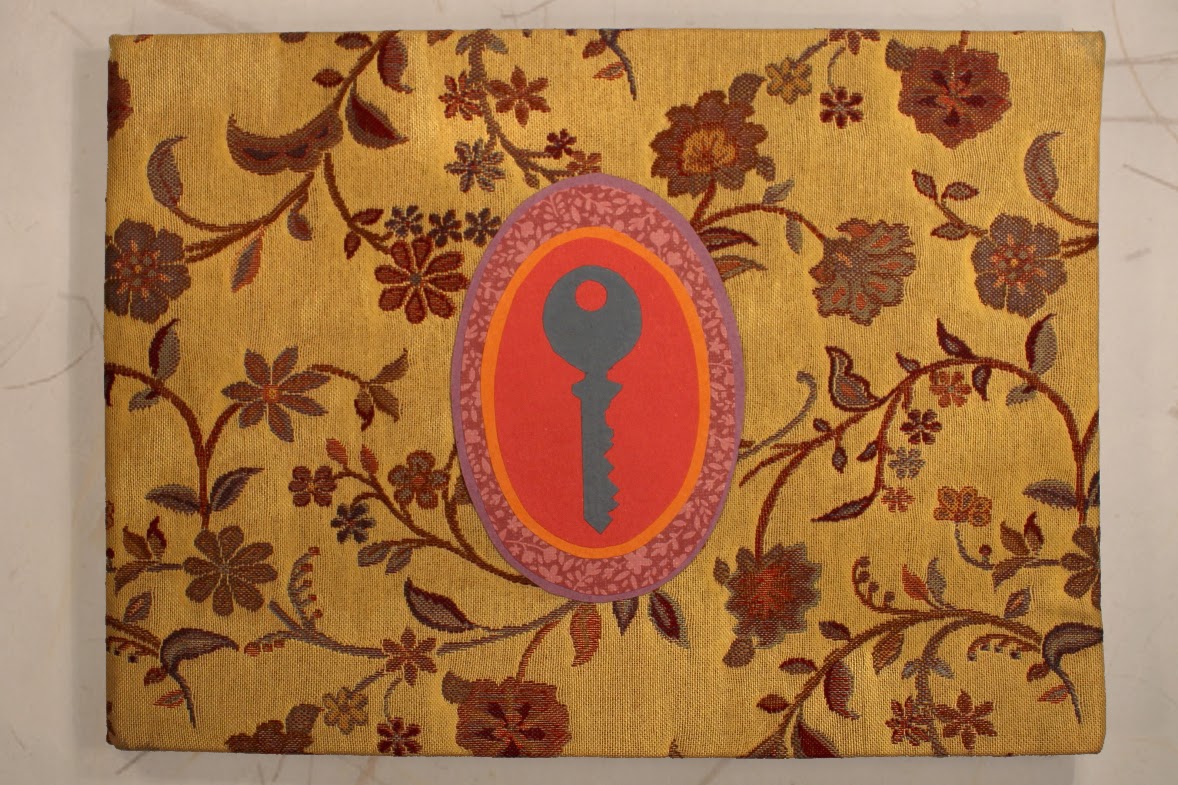
The final key design incorporates plain and patterned paper.
Final book cover.















 Gary Gowran