Essay Film Research

From the initial research for my extended essay I decided to further investigate essay films as a potential topic. I read the following definition in the book Essays on the Essay Film by Nora M. Alter  and Timothy Corrigan (2017);
“characteristics of the essay film include the blending of fact and fiction, the mixing of art- and documentary-film styles, the foregrounding of subjective points of view, a concentration on public life, a tension between acoustic and visual discourses, and a dialogic encounter with audiences.”

The particular facets that struck a chord for me with my own film were the foregrounding of subjective points of view and a dialogic encounter with audiences. Though other elements also resonated including; the blending of fact and fiction and a tension between acoustic and visual discourses. I felt that approaching an investigation of my film through the lens of these aspects would help to advance the creative potential of the film.

So for further reading I researched other titles including; How the Essay Film Thinks by Laura Rascaroli; The Essay Film: From Montaigne after Marker by Timothy Corrigan; and journal articles; The Essay as Form by T.W. Adorno; and In Search of the Centaur: The Essay Film by Philip Loparte. Laura Rascaroli also had a number of relevant journal articles. 

McVerry Trust Production Design Concepts

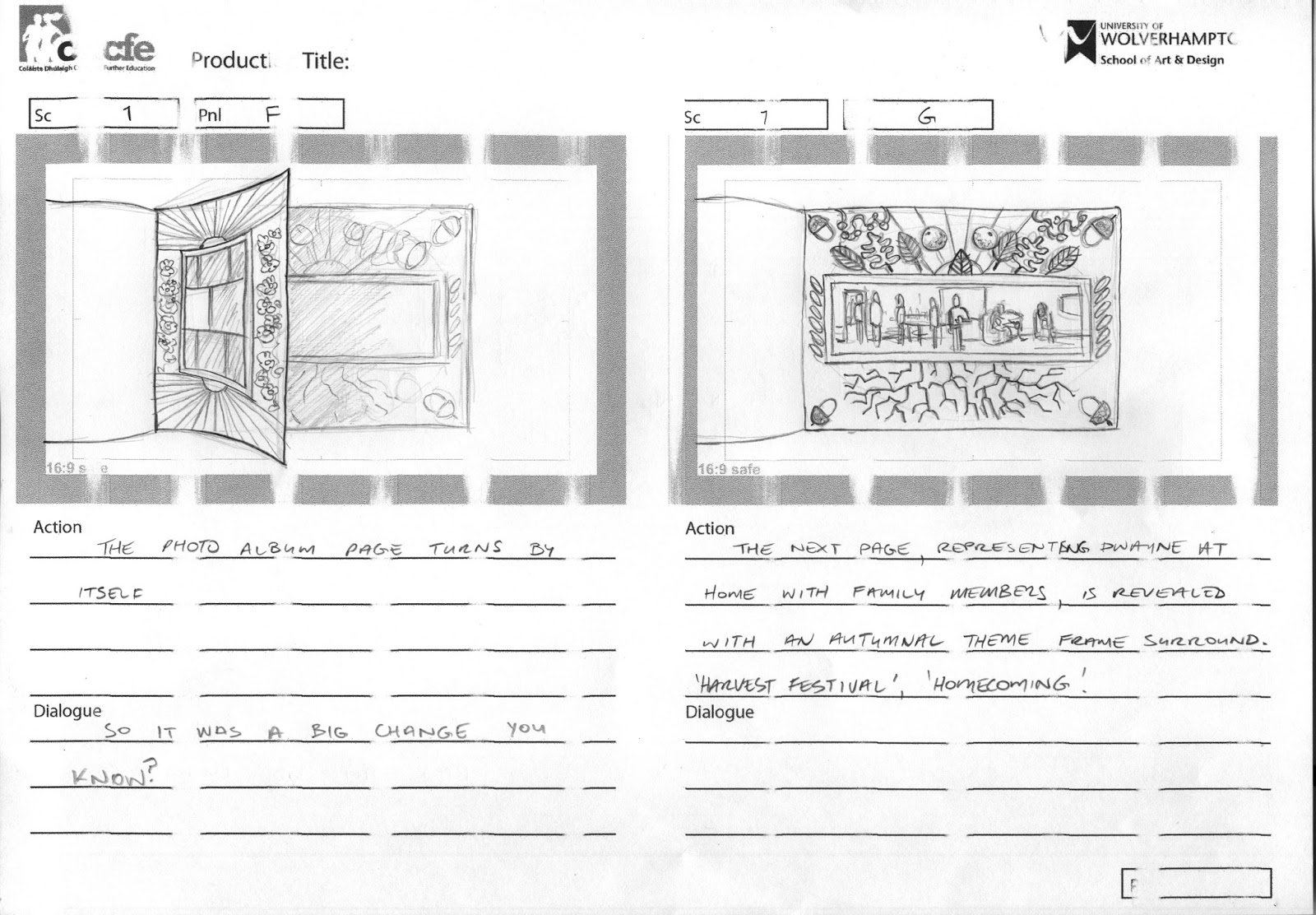
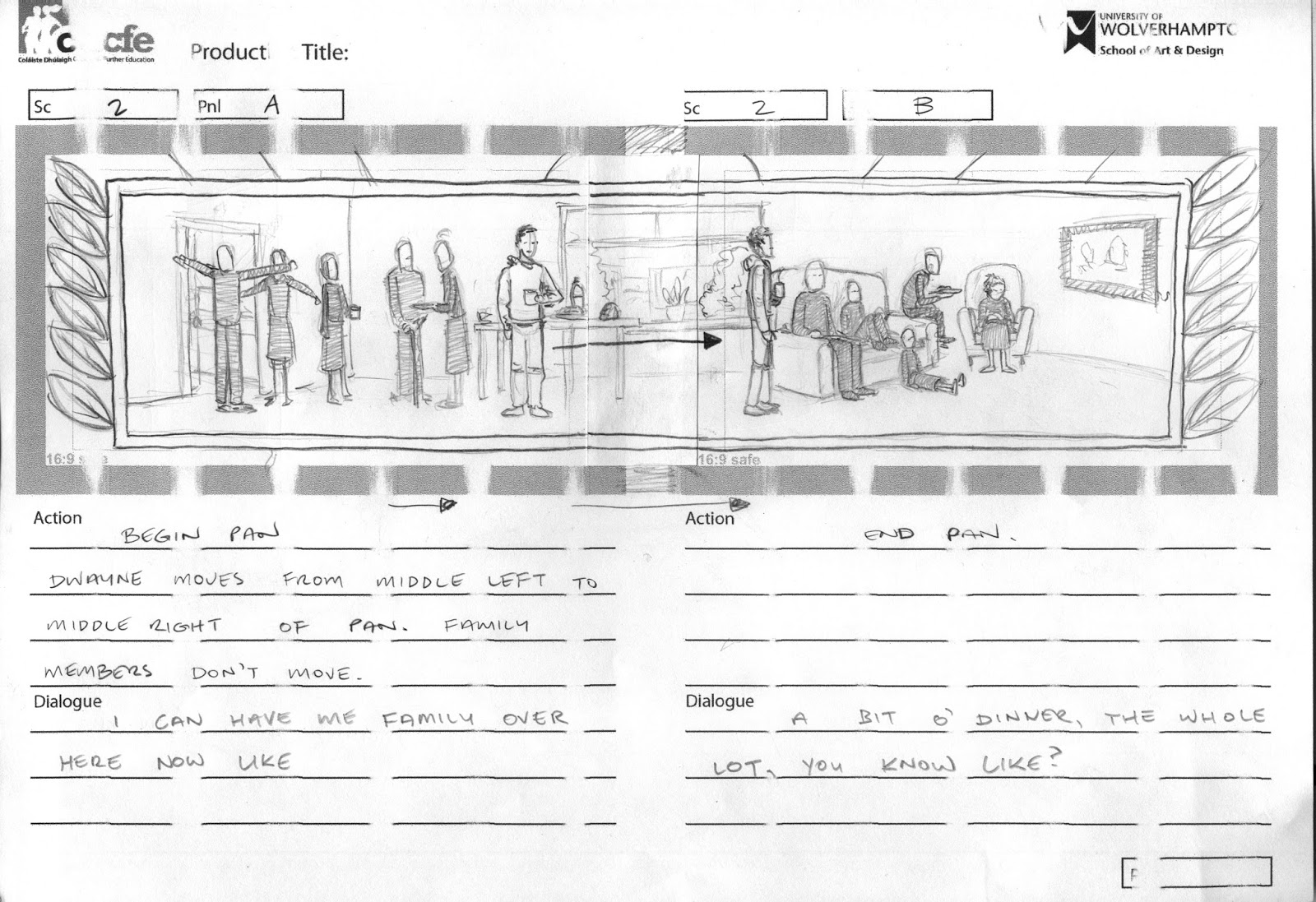
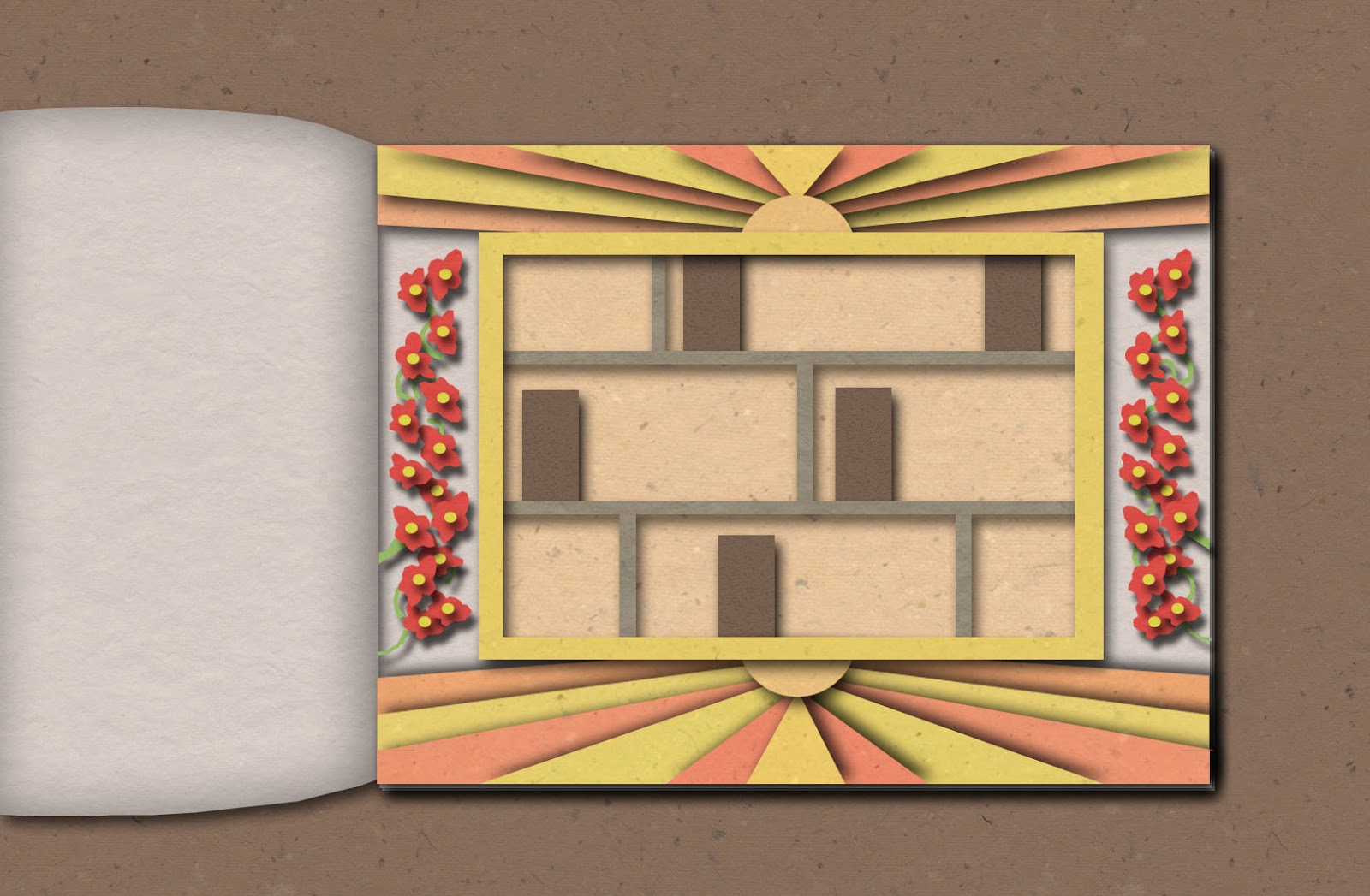
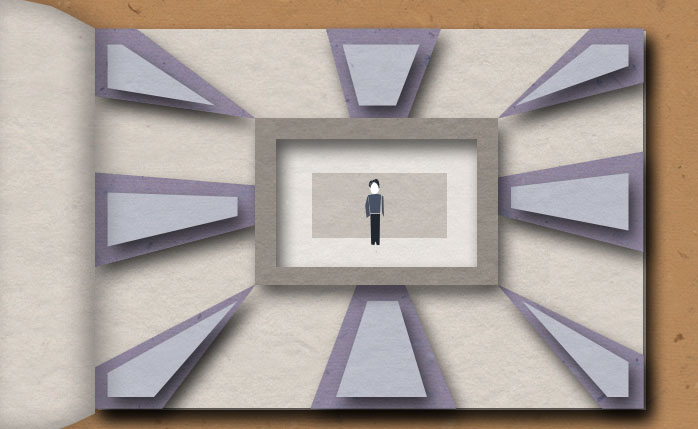
Pre-visualisations for the McVerry Trust film proposal. My idea is to use the concept of a photo album to illustrate the journey that Dwayne expresses in his words. The underlying idea behind the photo album is to signify the transitory nature of being homeless, the photos represent Dwayne’s memories and experiences and the fact that they have no permanent home, he must hold them in a portable vessel. The cover for the album has at its centre a key, our access to Dwayne’s experience. 
The album cover with the key symbol as focus.
We travel through the pages of the album, each page with its accompanying photo and frame responding to Dwayne’s words. Dwayne has been in his home for a year so the frames are designed after the seasons beginning with;
  • Summer – we see Dwayne in a hostel and he’s about to move out, the frame has sunshine as its main motif, flowers bloom as Dwayne leaves. The colours are yellow, gold and orange tones.
  • Autumn – Dwayne is at home with his family. The frame embodies Autumn with a leaf and seed motif, a harvest festival feel, coming home. The colours are rust red, browns and muted greens.
  • Winter – Dwayne reflects on not being able to have people over to visit in a hostel. The frame attempts to convey this isolation through the cold tones of winter. The colours are blues, pale whites and purples.

Winter page concept.
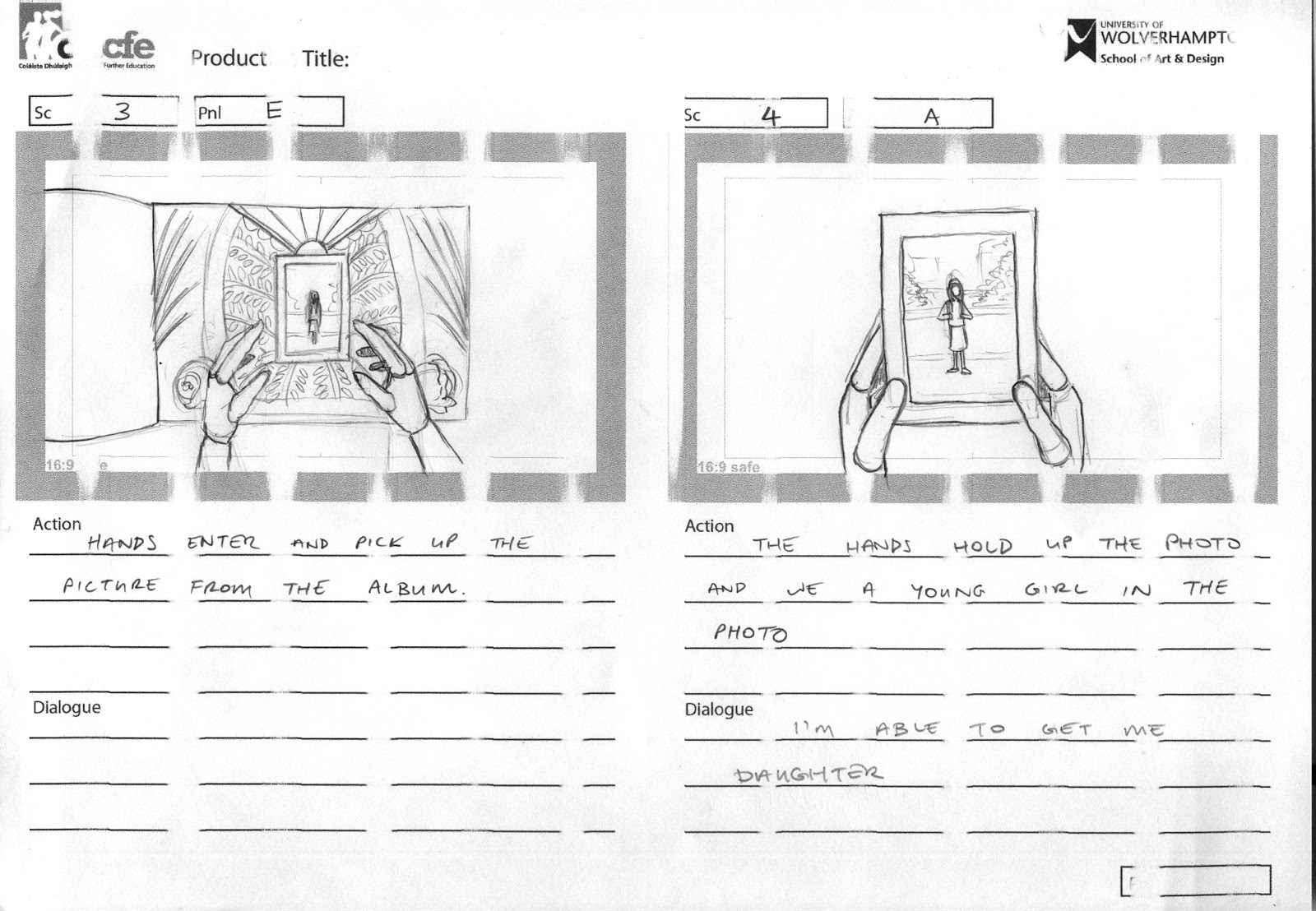
  • Spring – Dwayne can have his daughter over to stay now, we see a picture of a young girl. The frame is flush with new growth, new possibilities, flowers and green leaves abound. The colours are vibrant greens and rich reds.
Dwayne then lifts the photo of the young girl from the album and we see him place it on a wall. He now has a permanent home for his life and his memories.

Mid-way point Animatic

With this new update I have; 
  • Changed the narration scratch audio to try and suit the tone of the present visuals more accurately. This audio though feels slower and will need to be updated again. It might be time to approach a professional at this point to begin to lock down the timings.
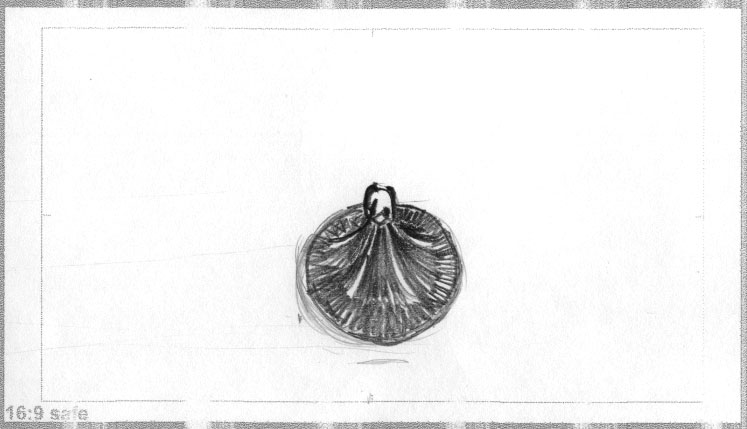
  • Taken away the textured background in the first sequence to make space for another layer of rising floorboards that hopefully then creates a sense of the Melancholic Wife being swallowed by the darkness as the two layers of floorboards open up and she falls between them.
  • Scratch sound effects have been added.
  • Minor changes and additions to scenes for clarity of storytelling and timing, for example a truck in has been added to the final scene to highlight the notebook and pen on the table.

McVerry Trust Visual Reference

I’ve looked at a number of videos for inspiration in creating the short animation for the McVerry Trust with a focus on paper cut-out style animation.

Firstly I watched the short film The Thomas Beale Cipher. Which I found to be a great example of the use of texture, strong shapes and silhouettes in a cut out style. The characters are rotoscoped though which I wouldn’t be interested in exploring at this stage.

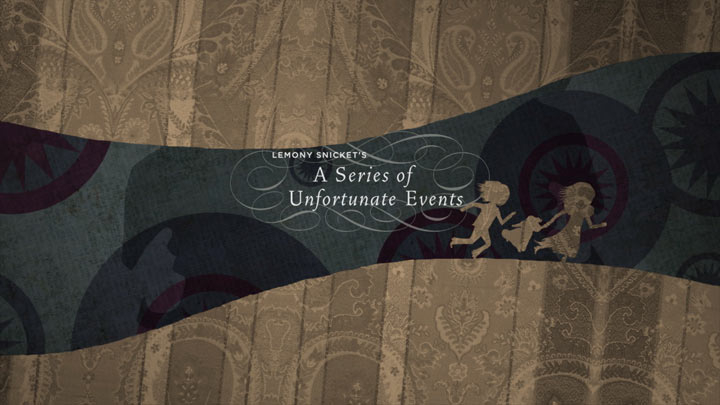
These have included the opening sequence to the motion picture version of A Series of Unfortunate Events.

For the action of turning the album pages, the end credit scene from the movie Up.

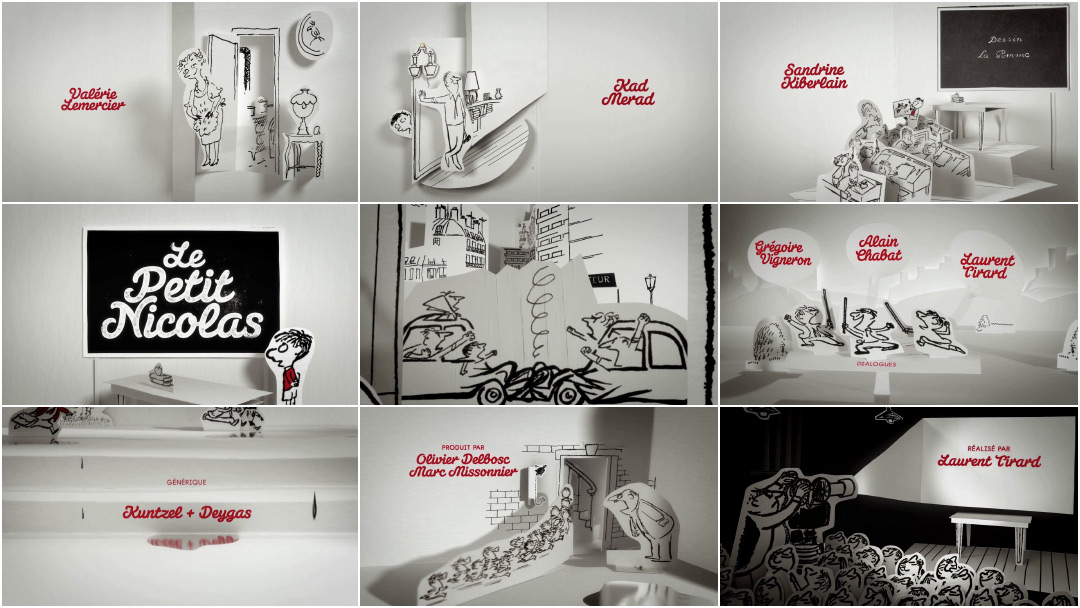
The opening sequence to the French film Le Petit Nicolas sparked the idea of creating cut out animation using a book/photo album as the stage.

The Melancholic Wife Storyboards – Fourth Sequence

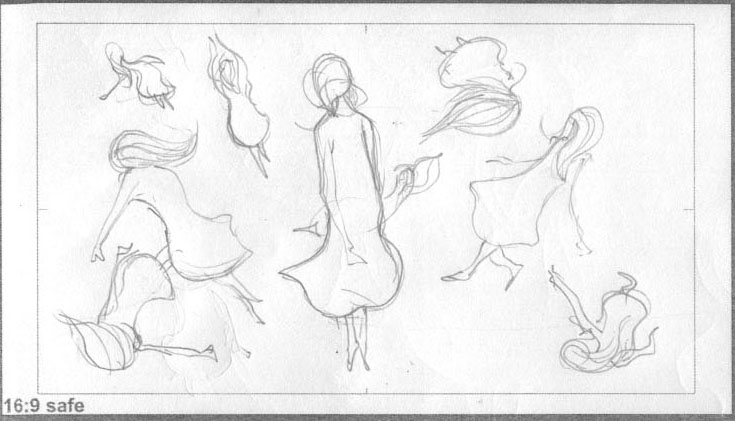
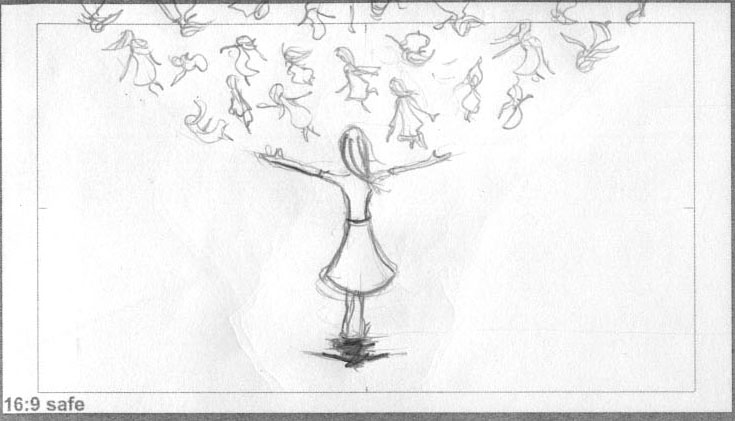
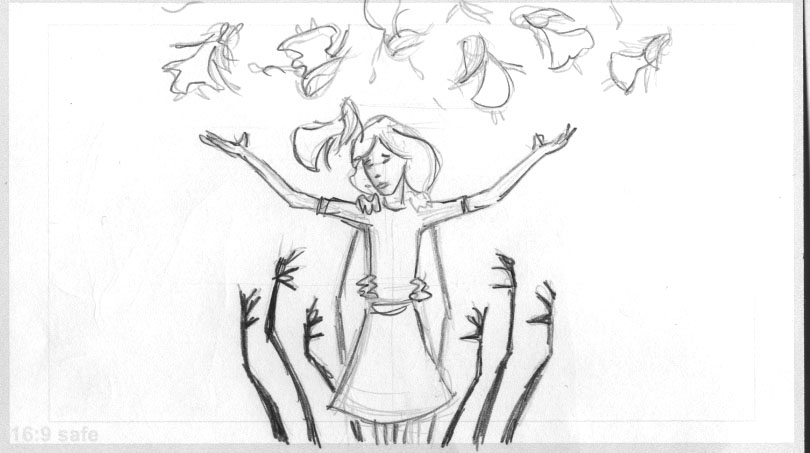
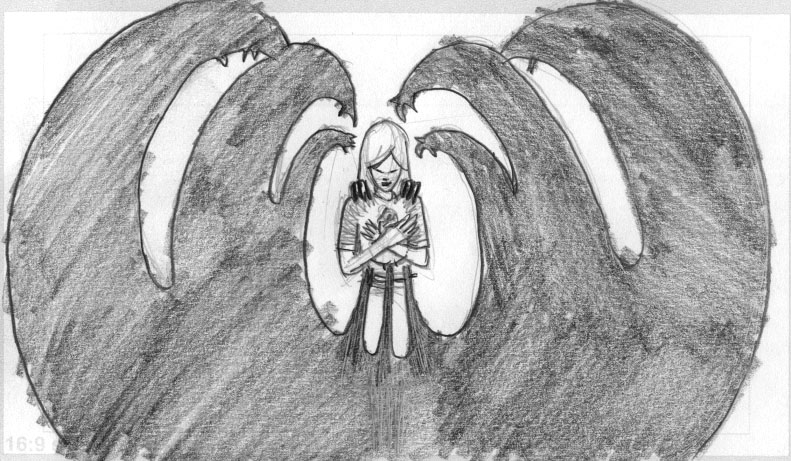
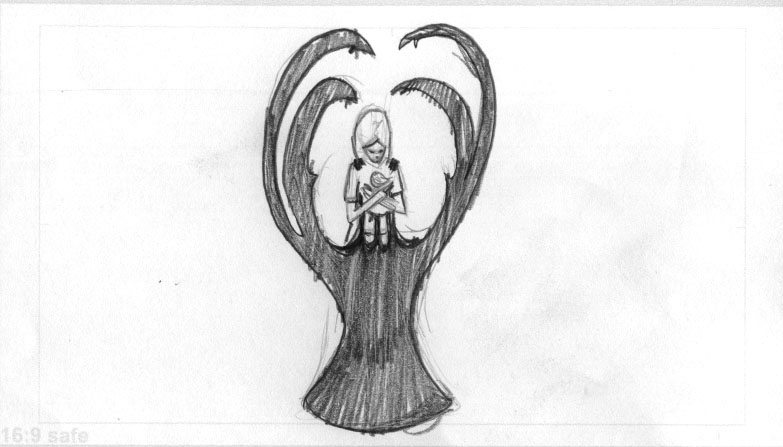
The Melancholic Wife has escaped the sound waves of remembered shame into a new space in her memory. Ghosts of her teenage self appear above her, expressing freedom and joy. She spreads her arms in an attempt to embrace them, to embrace herself. But the shadow of her shame is still with her. It rises, pulling her back down into the depths of her despair. The Melancholic Wife reaches out and grasps one of the ghosts, taking it with her as she is consumed. The shadow grows, submerging not only her but the entire screen.