Final scene layout

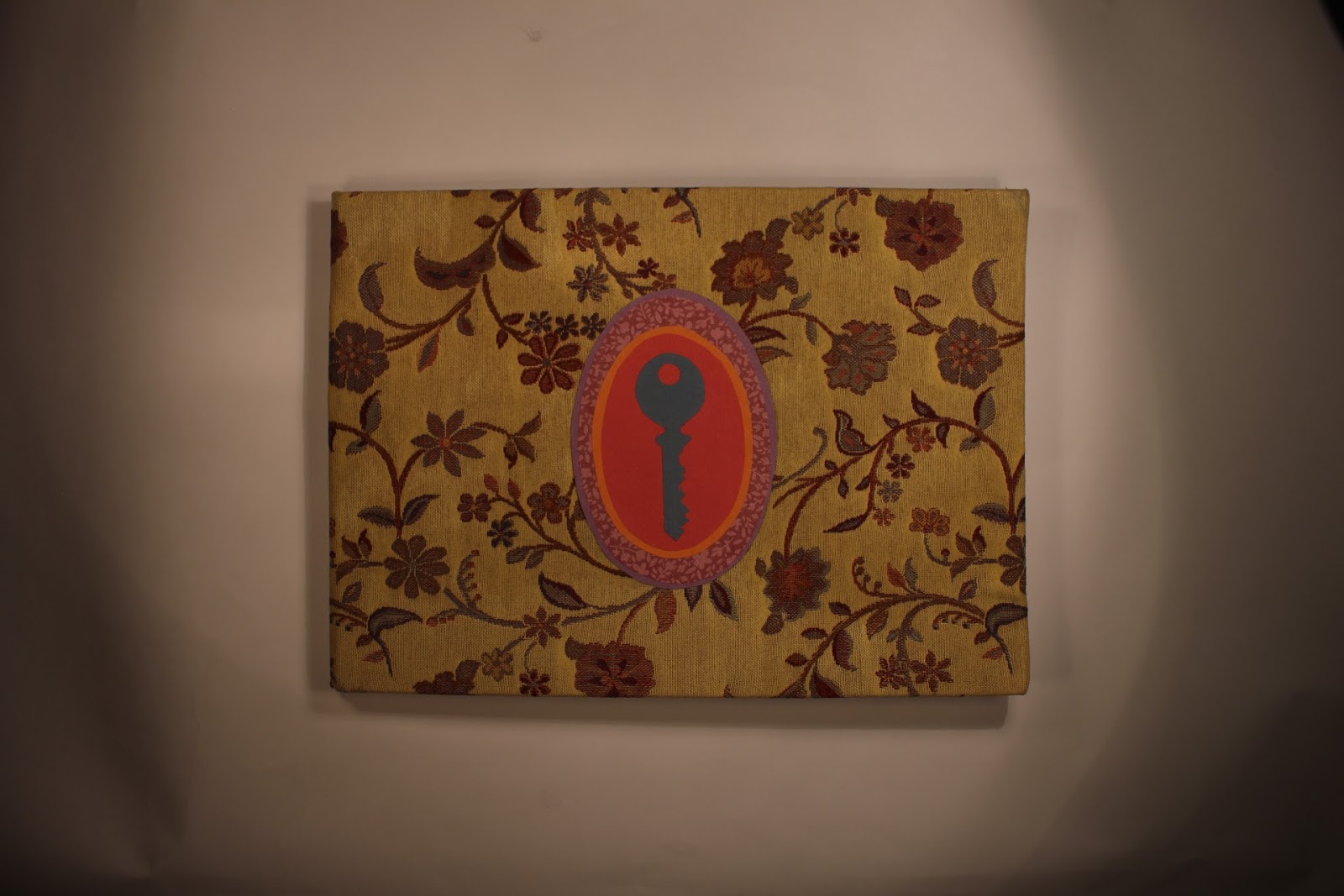
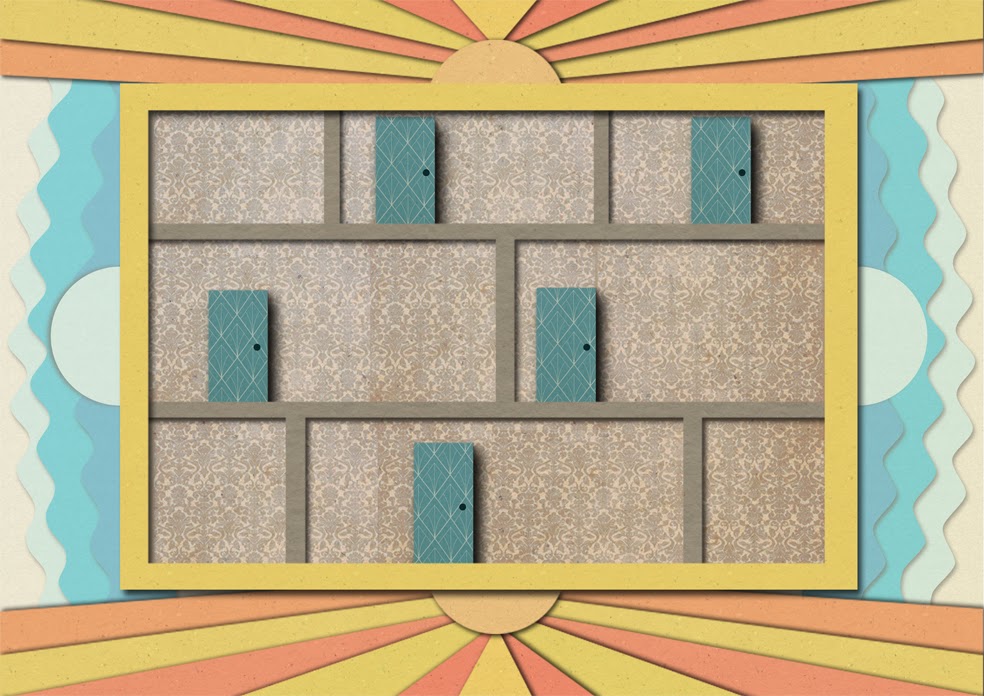
One of the decisions we came to as a group was to create the final scene entirely in cut out with minimal digital elements. Emotionally and aesthetically this felt like a strong tone to end on. Stop motion animation of Dwayne’s real paper hands picking up a real image of his daughter and it being placed on a real background depicting a wall of pictures in his new home. It felt more authentic to portray this in a tangible way. I used the wallpaper from the autumn scene internal frame and cut a series of frames to overall depict a house silhouette which would transition into the Peter McVerry Trust house logo. I added a small oval frame above the door with a photo of the key from the front of the album. The images in the other frames are the only digital element in the scene.

Book footage background

It was important to choose a neutral background which wouldn’t distract from the action taking place in the book. So white was the natural choice but it was also important to retain a sense of connection stylistically with the rest of the look of the elements. So I chose one of the patterned papers we had found. I feel that this supports the action while also bearing a good relationship with an underlying nature theme that has emerged due to the elegant fibres in the paper.

In order to maintain the lighting from the book footage I used a difference blending option on a light blue layer over the background. I then placed an image of the scanned textured paper over that in a dependent layer.

Animating Snow

One of my animation tasks on this project was to animate the snow effect on the winter page. For this I created a snowball PNG file with paper texture and drop shadow added and brought this along with the page background into Adobe After Effects. I used the CC Snowfall particle effect in this program and generated a simulation of snowfall, remembering to place the photo frame and Dwayne on a higher level so that the effect would pass behind the picture.

Extended Essay – Notable Quotes

One of the interesting and challenging aspects of writing an academic essay is extracting pertinent and valuable quotes from the research. They should be insights into my chosen subject matter and themes which illuminate or contend with the view which I’m attempting to convey. I feel like I’ve found some very valuable and worthwhile quotes which would be beneficial to share here.

‘The essay is always concerned with something already formed, or at best, with something that has
been; it is part of its essence that it does not draw something new out of an empty vacuum, but only
gives a new order to such things as once lived. And because he only newly orders them, not forming
something new out of the formless, he is bound to them; he must always speak “the truth” about
them, find, that is the expression for their essence.’
(G. Lukacs, Soul and Form 1974)

I am intending to use this quote at the beginning of my essay. I feel it gives a good introduction to the importance of an essay film creator owning their subjectivity. The essay here is seen as a reflection or deepening of the subject matter it is preoccupied with.

“characteristics of the essay film include the blending of fact and fiction, the mixing of artand
documentary-film styles, the foregrounding of subjective points of view, a concentration on
public life, a tension between acoustic and visual discourses, and a dialogic encounter with
audiences.”
(Nora M. Alter and Timothy Corrigan, Essays on the Essay Film 2017)

“ability to carry on a continual dialogue with other works of literature and other authors.
It does not merely answer, correct, silence or extend a previous work, but informs
and is continually informed by the previous work”
(M. Bakhtin, The Dialogic Imagination 1981)

“conceptual, psychopolitical, and representational dance with wolves, the drawn-out
imperative of the film is then to answer the silence that follows the death of the dogs, to
unmask an aesthetics of violence…to make the present of current events a far more
conceptually complex and vexed place for the subject experiencing that present as a past.”
(Timothy Corrigan, The Essay Film: From Montaigne after Marker 2011)

“science affects us by its contents, art by its forms; science offers us facts and
relationships between facts, but art offers us souls and destinies”
(G. Lukacs, Soul and Form 1974)

“one of the key elements of the essay film is the direct address of the receiver,
and voiceover is the most simple and successful way of actualizing such address”
(Laura Rascaroli, The Essay Film: Problems, Definitions, Textual Commitments 2008)

“The essayist allows the answers to emerge somewhere else, precisely in the position
occupied by the embodied spectator. The meaning of the film is constructed via this
dialogue, in which the spectator has an important part to play; meanings are presented by the
speaking subject as a subjective, personal meditation, rather than as objective truth. It is this
subjective move, this speaking in the first person that mobilizes the subjectivity of the
spectator.”
(Laura Rascaroli, The Essay Film: Problems, Definitions, Textual Commitments 2008)

“Humanism is, indeed, implicit in the essay structure—the assumption of a certain
unity of the human experience, which allows two subjects to meet and communicate on the
basis of this shared experience. The two subject positions, the “I” and the “you,” determine
and shape one another.”
(Laura Rascaroli, The Essay Film: Problems, Definitions, Textual Commitments 2008)

Book stop-motion

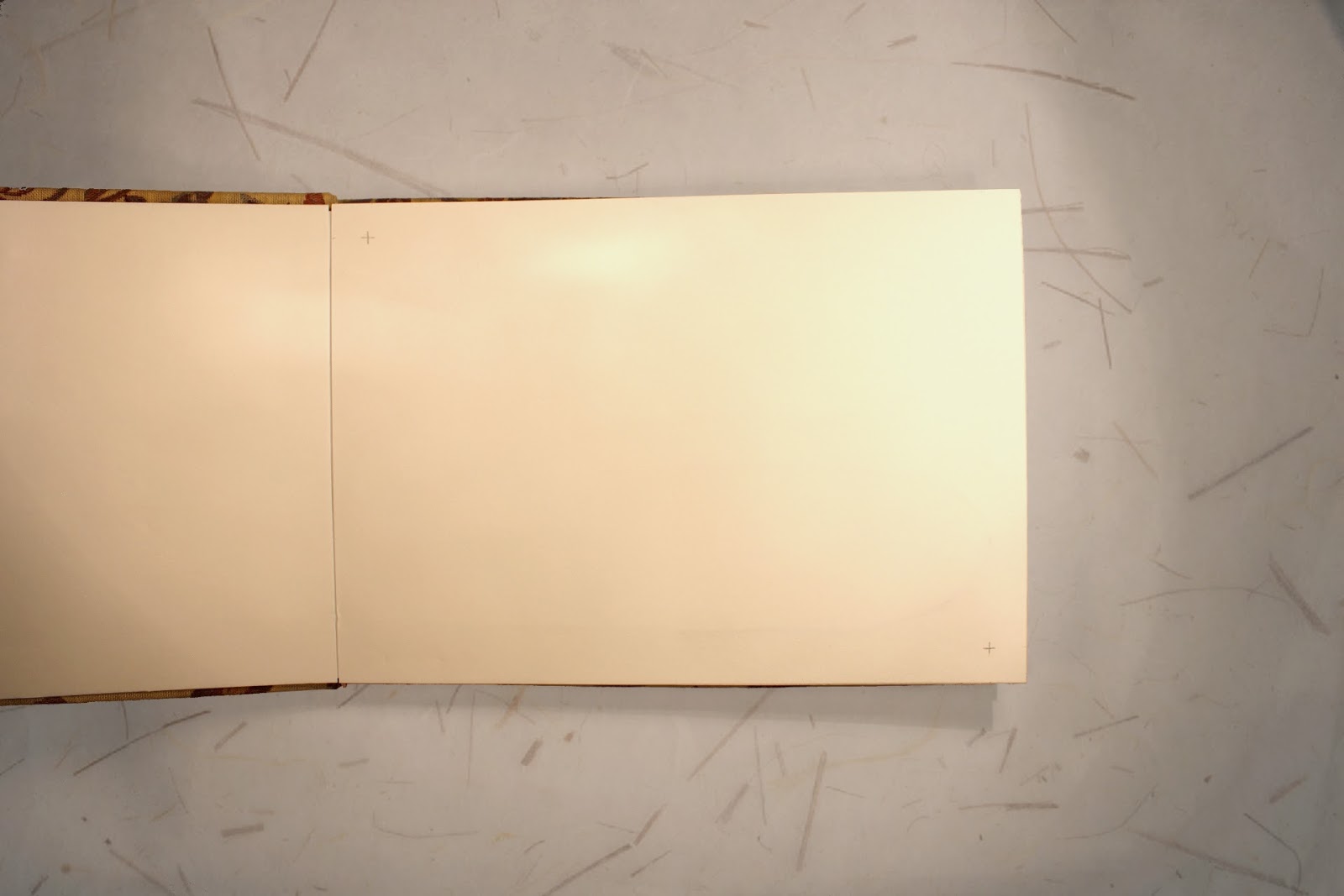
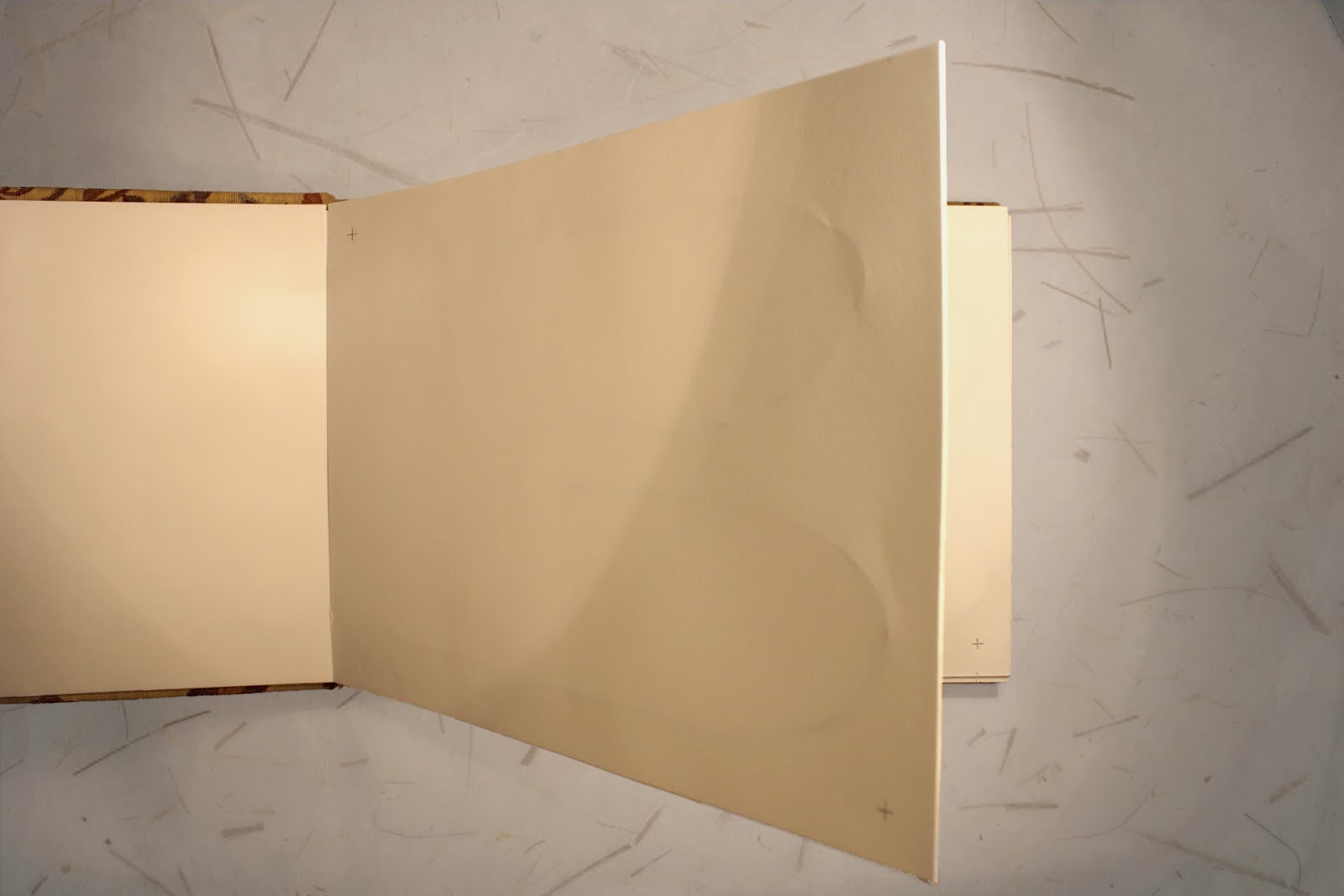
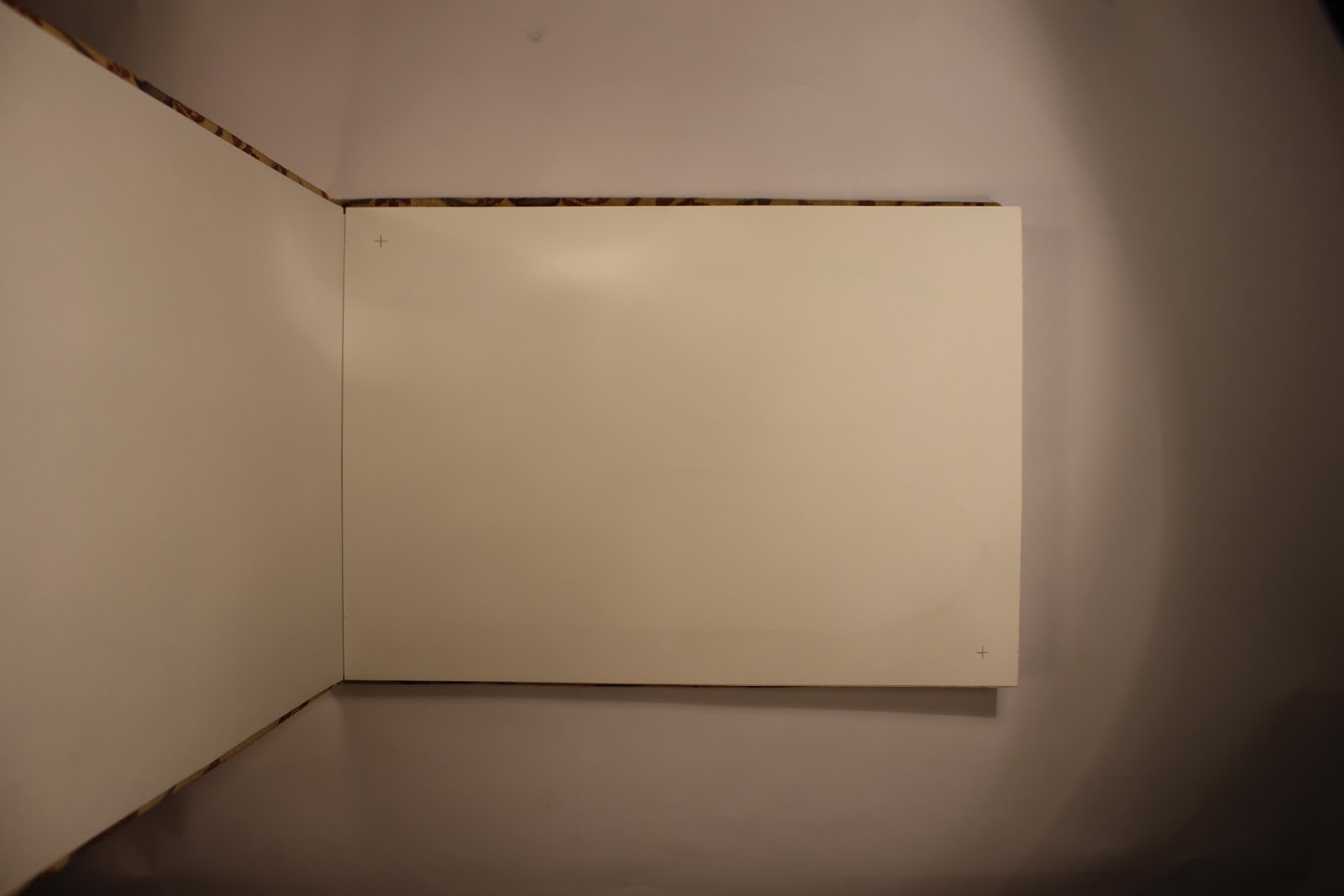
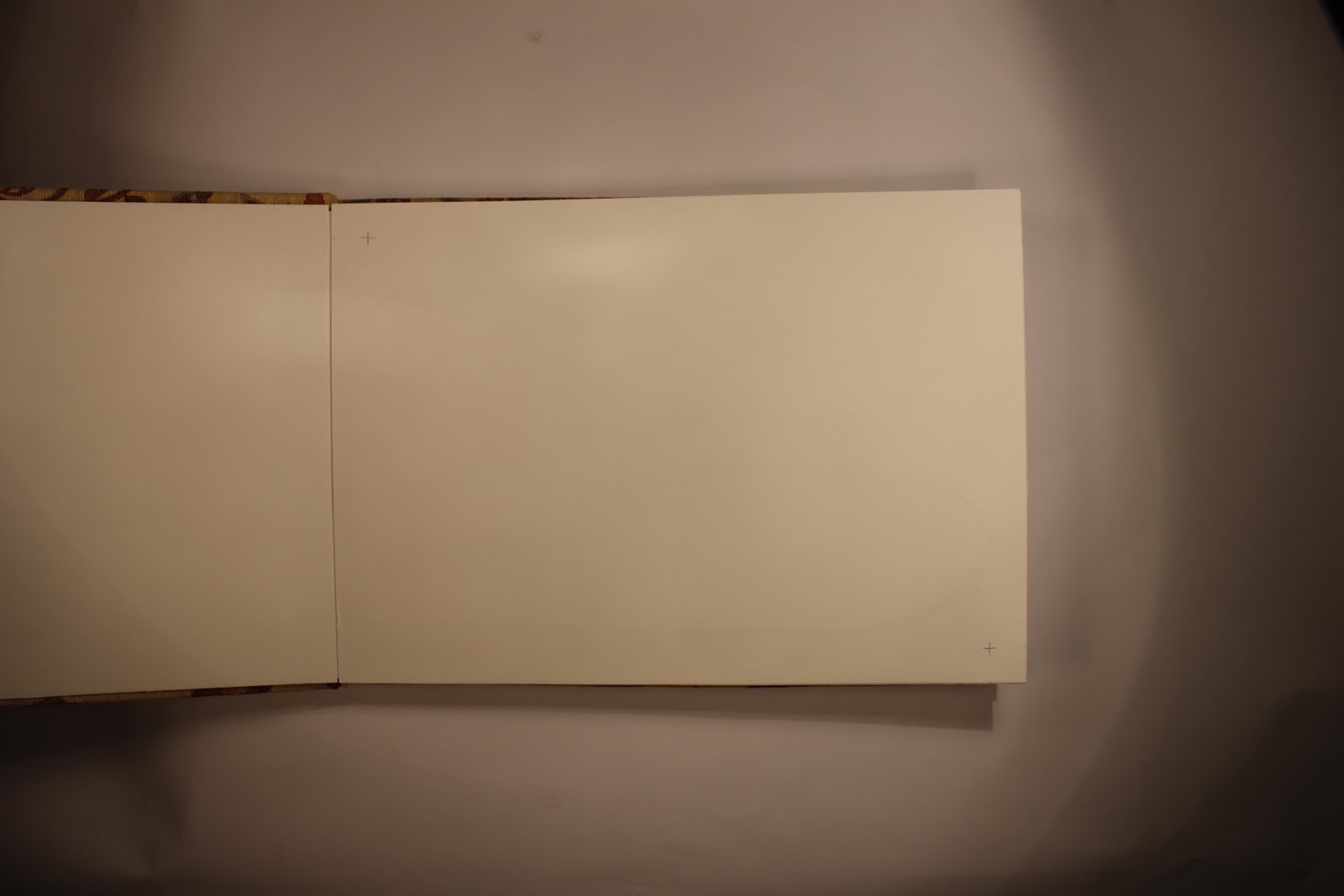
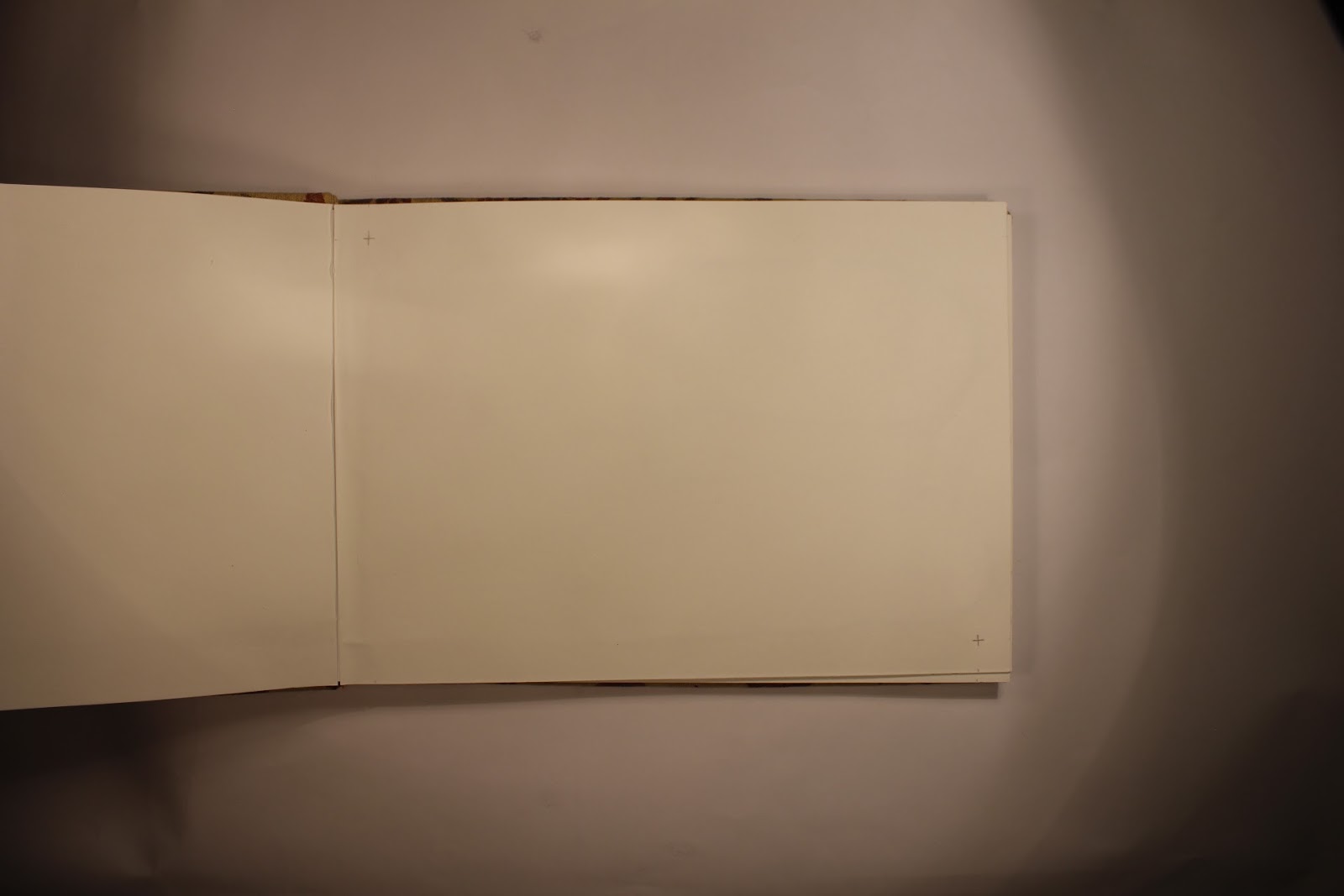
We shot the book before the Christmas break and I’m happy to say that the wire technique worked out. We were able to manipulate the pages into position and they held without any need for outside support. Due to the book not being traditionally bound some pages went a bit off-centre while lying flat. This has the advantage though of communicating age and that sense of Dwayne carrying the book with him through his life. I added corner registration marks to aid the compositing of the digital elements onto the footage.

Book footage.

Digital Page Layouts

The pages of the album follow a seasonal theme, there are four pages for the four seasons and the four stages of the journey that Dwayne describes. The album begins in summer with the first page illustrating Dwayne leaving the hostel. The animation will be occurring inside the frame so I was free to fill the outside with decorative features, bearing in mind that I would have to be prepared to let some of the details go if they took away from the animation.

Summer page.
The next page is autumnal in tone. The goal here was to convey an abundant harvest, celebratory feel as Dwayne describes being able to have his family over for dinner in his new home. The film here cuts to a pan and the internal frame fills the screen so I felt freer to illustrate the external with some more minute details. These included leaves and acorns, fruit and tree roots. The internal frame has to act as a stage for the animation to play on so is less detailed. I attempted to convey a homely sense through the flowery wallpaper pattern. 
Autumn page.

Turning to the winter page, the colours change to cool blues and whites. The page design also turns more minimal. This hopefully communicates the starkness of the season as Dwayne describes being unable to have people over while living in the hostel. I added a wallpaper element to help emphasise the coldness but again with the caveat that if it interfered with the animation it would need to go. For this page the we are going to animate a snowstorm occurring outside the walls of the internal frame. This hopefully communicates the protection the hostel offers.

Winter page.


The last page is the spring page and the colour theme here is green. The main job for this page is to act as a stage for the cut-out animation which will occur. Paper hands will reach in to pick up the picture of Dwayne’s daughter and we will transition to the hands placing the picture on a wall of pictures in Dwayne’s home. This page has been made simpler than the concept as that seemed too busy when actually creating it digitally.
Spring page.


Main Film Title

Trying to create a title for the film that represented its themes and complexity was a challenge. My initial thoughts were quite obvious with titles like The Dance, but this seemed quite on the nose. Brainstorming it resulted in some more nuanced ideas; Untethered Tread, playing with becoming lost in a memory through the sound of a footstep, and tread/thread; Tread and Temper, again referencing tread/thread, following a thread, unravelling with the alliteration of temper to evoke the emotional challenge; Soft Floor/Bare Boards, softness/toughness, flow between the two. The title that I hit on as seeming most evocative and descriptive was Sound Holds the Distance Travelled. Referring to the power of sound as the catalyst for the Melancholic Wife’s journey back into her memory and the temporal distance between her present and past self. The whole of this journey is held in the sound waves.

Alternative Opening Sequence

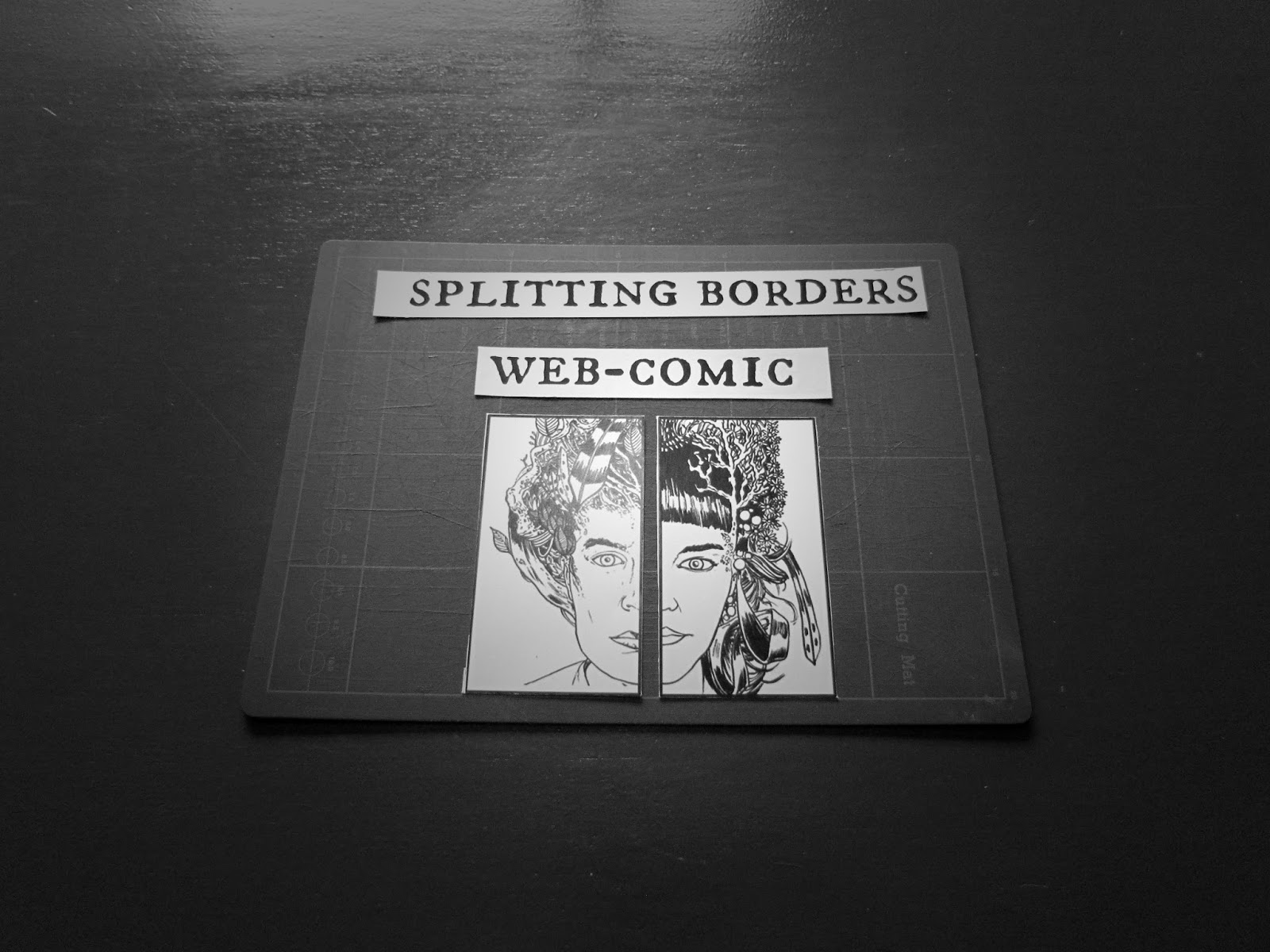
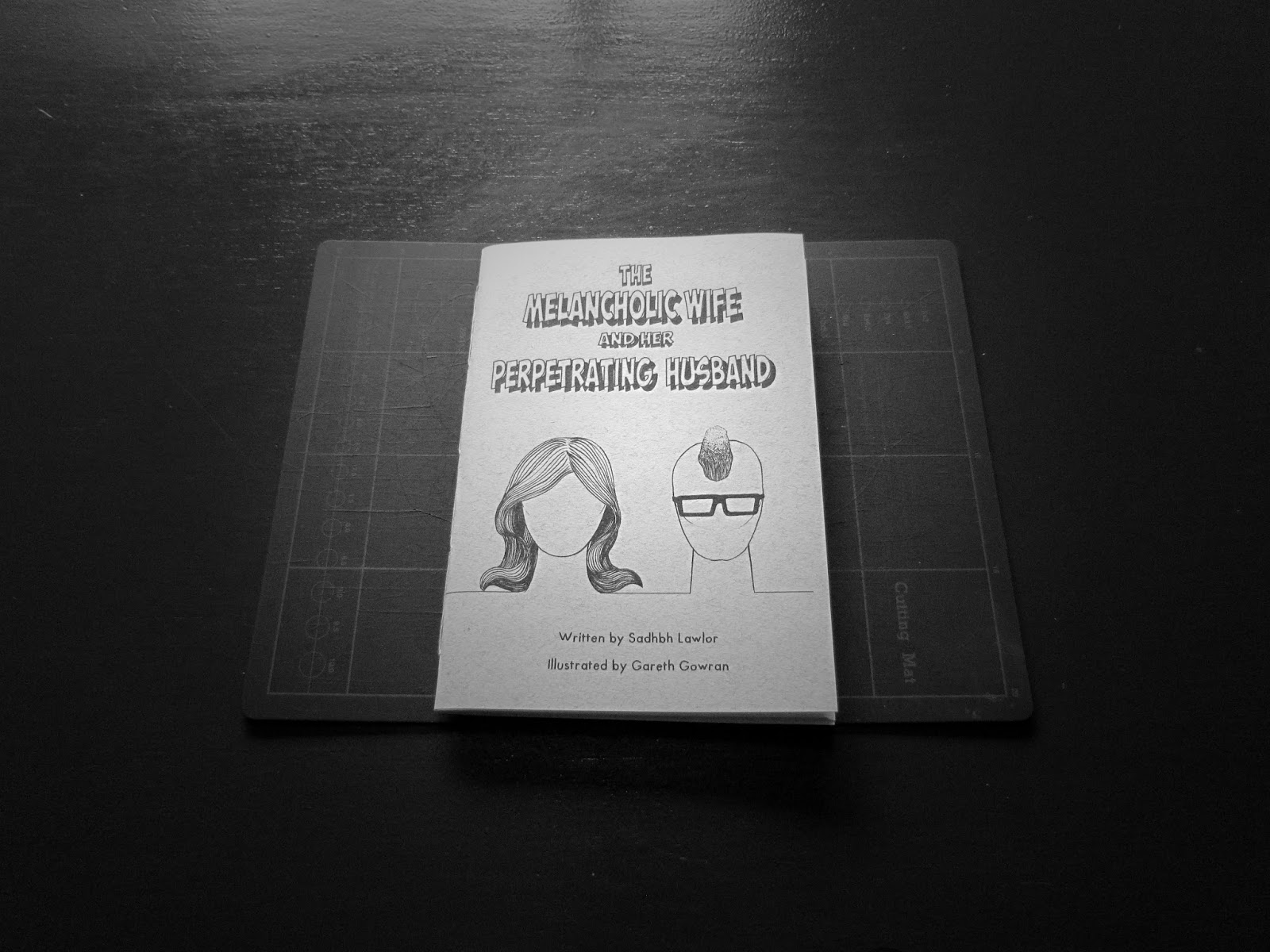
In trying to create an opening to the film I was conscious of wanting to represent the creative heritage from which the film has evolved. The themes and subject matter explored within the film began in a web-comic strip called Splitting Borders developed with my creative partner Sadhbh Lawlor. We made our own handmade books of these strips which brought a tactile element to the work. From there we moved to short stories, again making our own books from the work. The film now represents a deepening of the work and with this opening I wanted to make a nod to that lineage.

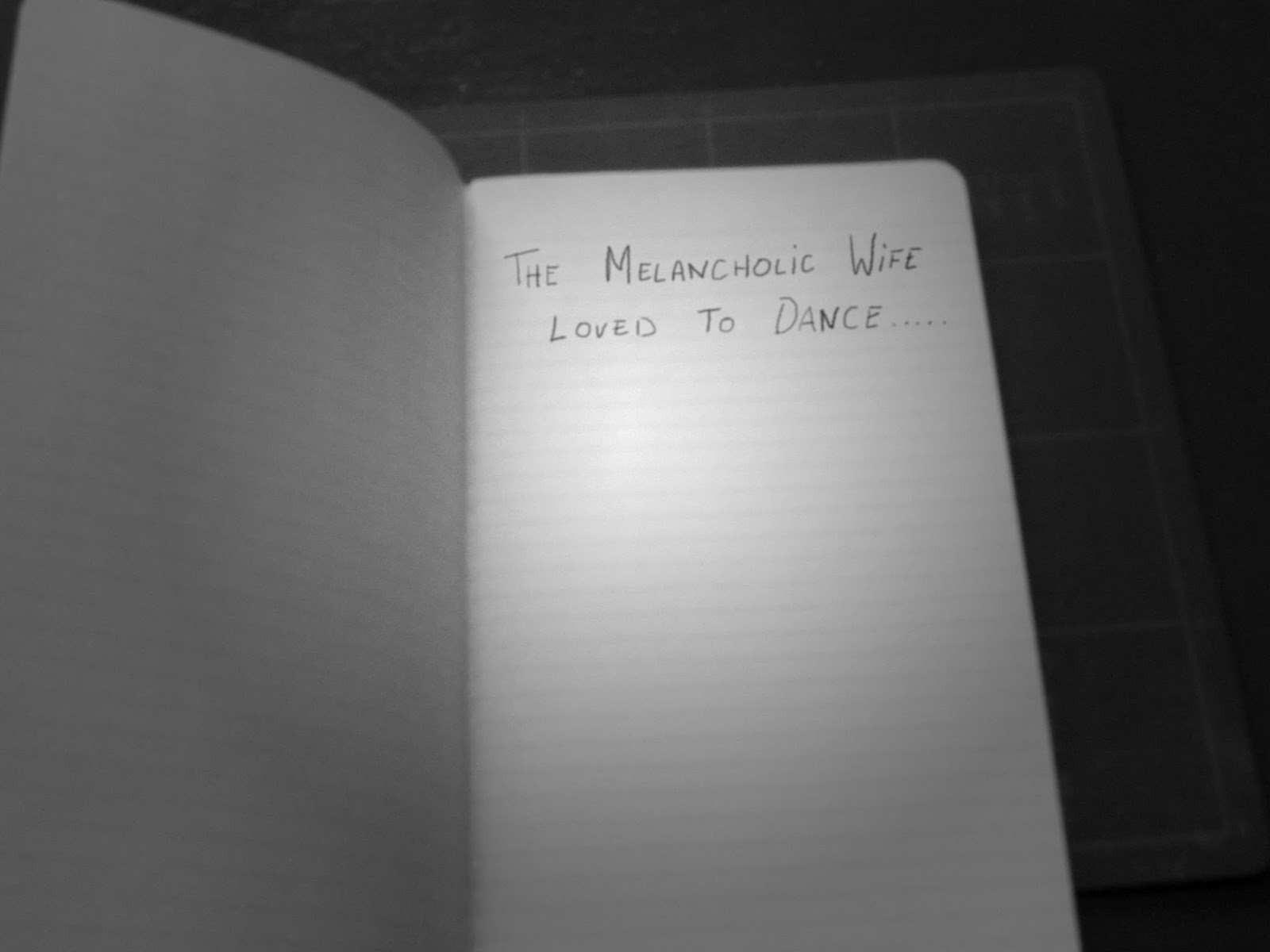
The opening consists of a montage of photographs displaying the physical artifacts of the previous work.

I’ve maintained the black and white aesthetic of the film in the opening to maintain a visual relationship between the two mediums of photographs and drawings.
For the transition into the main film the camera zooms into the notebook, representative of where the work begun, as written words on a page.